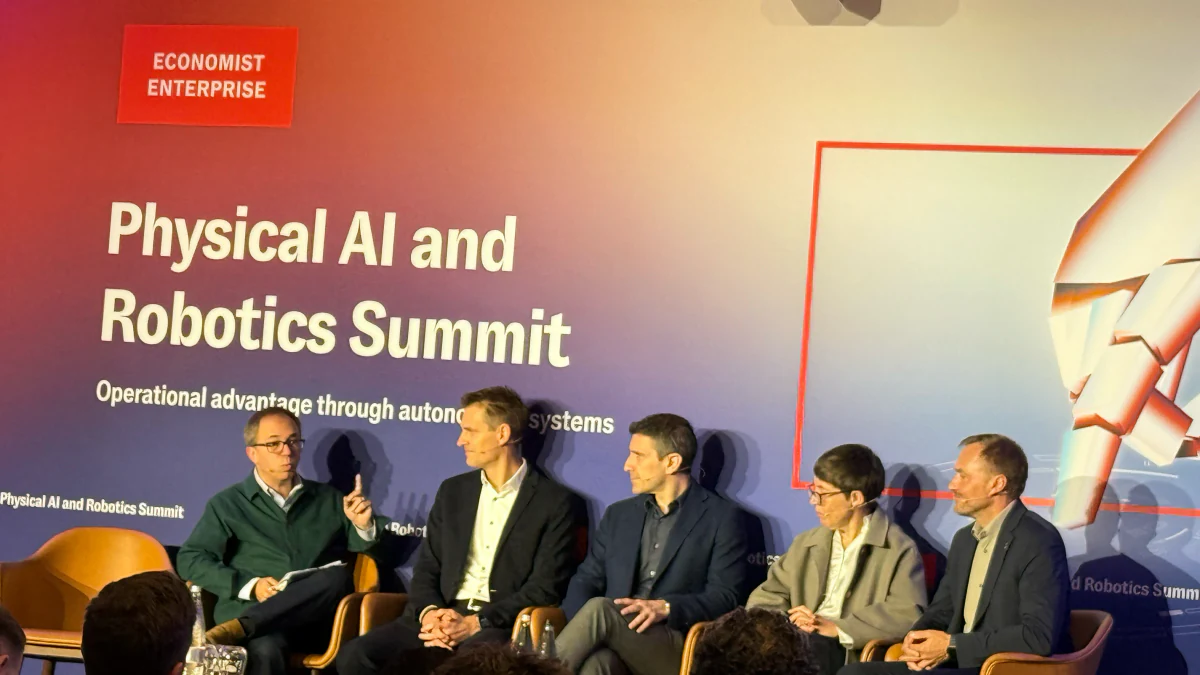
At the Economist Enterprise Physical AI and Robotics Summit in London, aerospace and manufacturing leaders dismantled the silicon-valley narrative of the general-purpose humanoid robot. While venture capital pours billions into bipedal forms, industrial reality proves that form must strictly follow function.
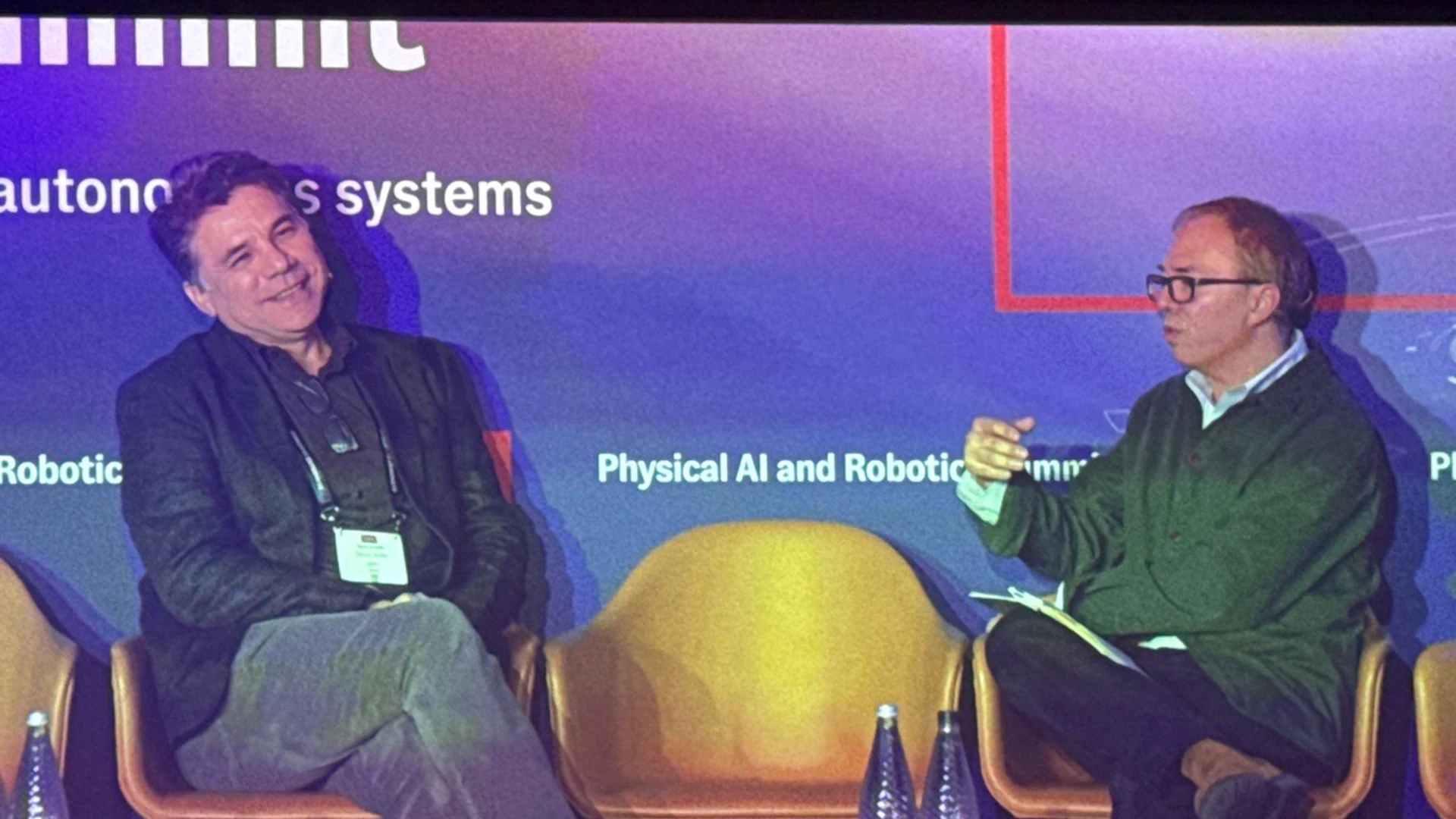
Physical AI cannot scale on 700W data-centre GPUs. At the Economist Enterprise Physical AI and Robotics Summit, Mythic AI Chairman and CEO Taner Ozcelik demonstrated how in-memory compute and chiplet modularity collapse the Von Neumann memory wall to deliver biological-grade efficiency at the physical edge.
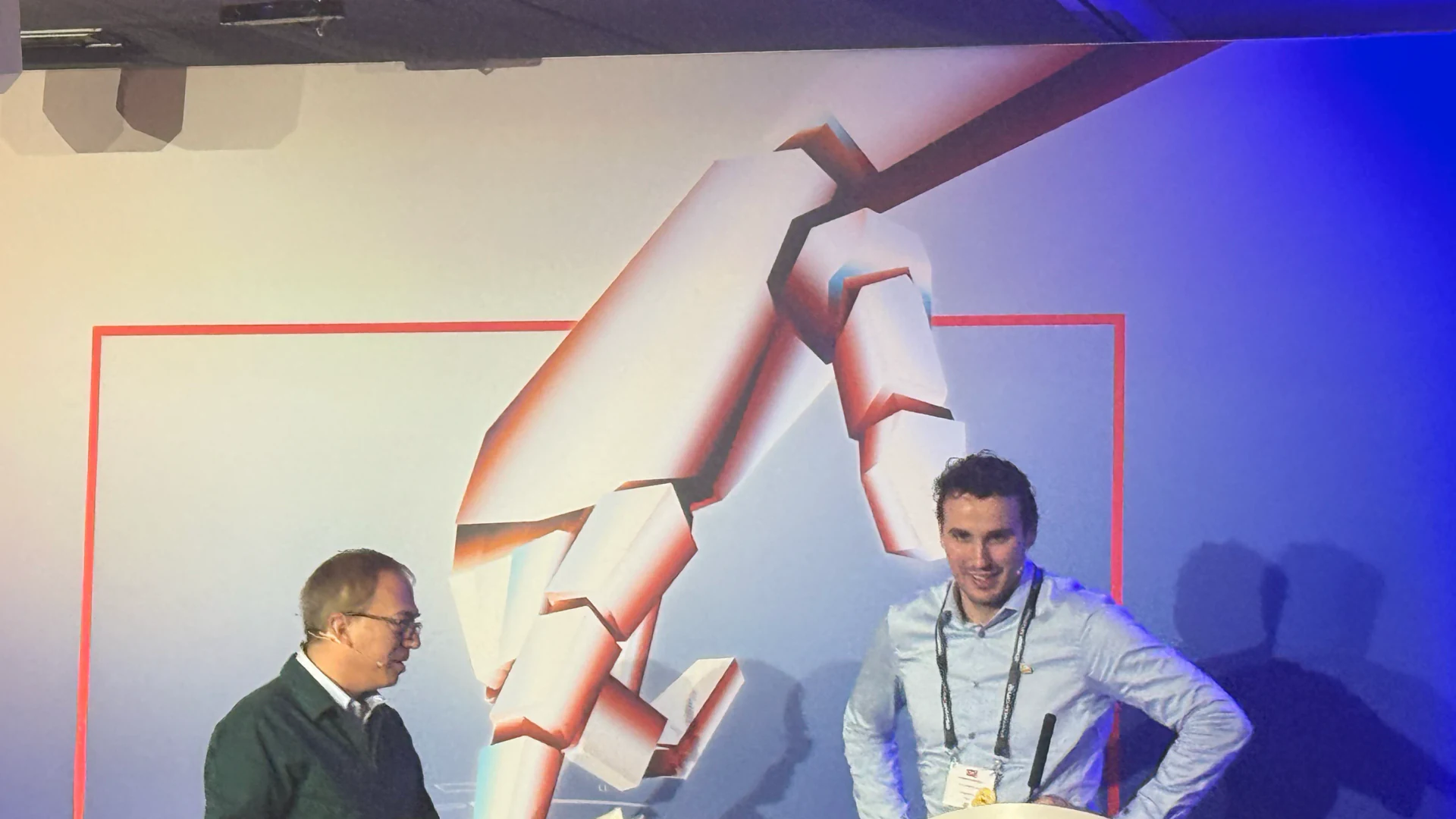
Robotics development has historically been gated behind six-figure hardware and brittle, hand-crafted kinematics. At the Economist Enterprise Physical AI and Robotics Summit, Hugging Face LeRobot lead Pepijn Kooijmans demonstrated how open-source foundation models and $200 hardware are breaking the industry wide open.
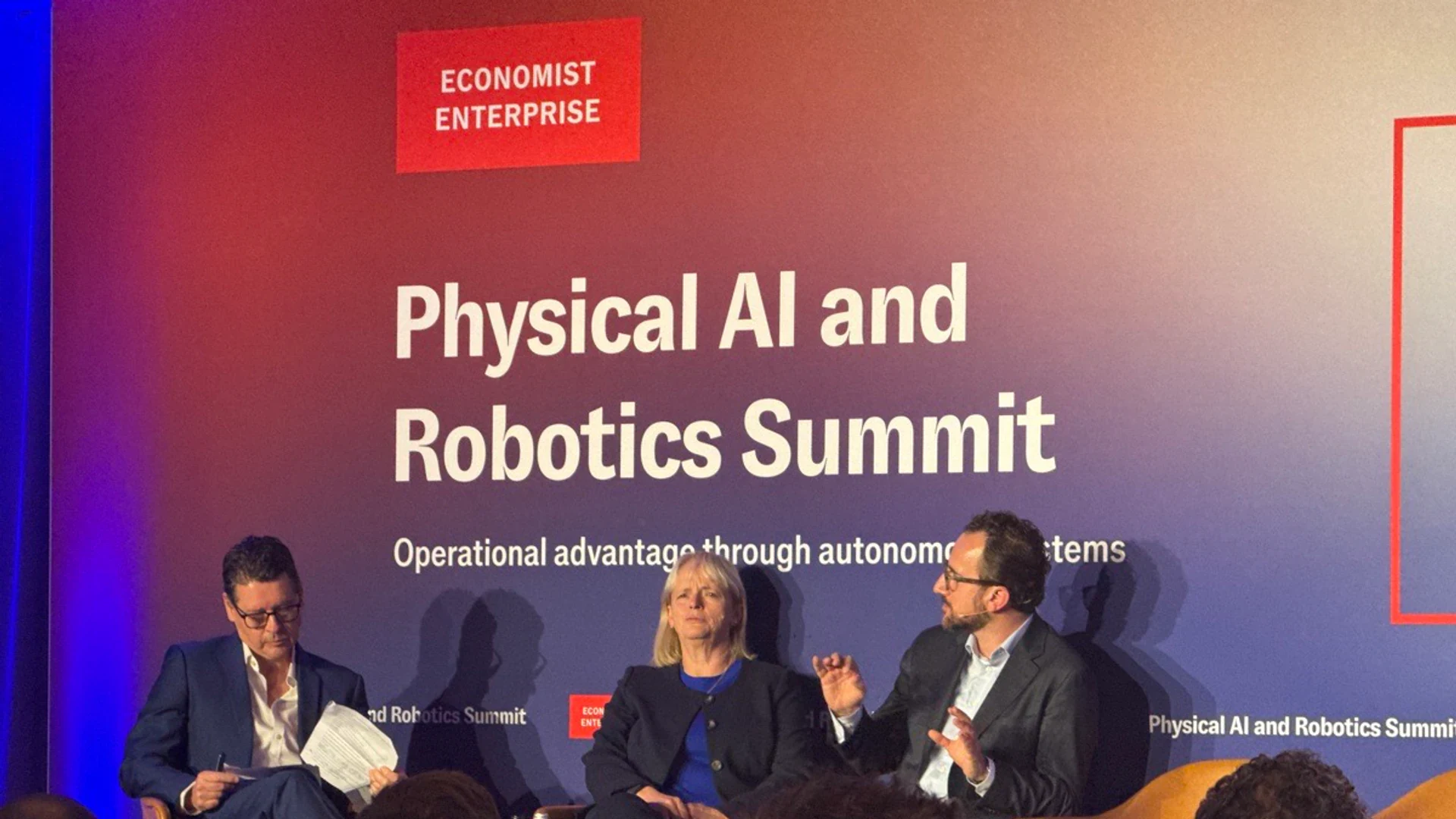
Deploying autonomous physical machines alongside human workforces introduces acute psychological and legal hazards that pure software never encountered. At the Economist Enterprise Physical AI and Robotics Summit, leaders from Kier Group and the British Standards Institution (BSI) established the governance blueprint for physical AI.
Foundations of Machine Learning, second edition, defines learning as using experience to make accurate predictions, and then builds a whole curriculum around the quantities that decide whether it works: data,...
A collection of results from an internal OpenAI model spans mathematics and theoretical computer science, and its sharpest result is exact: the asymptotic strength of the Cohn-Elkies linear program is now known,...
A detector for alignment failures that answers many typed questions in one call, with calibrated probabilities, ranks failures well and costs 63× less than LLM-judge scorers. But those probabilities don't transfer...
MIT's ad hoc committee on AI doesn't treat generative AI as a tooling problem to be patched with a policy. Its report treats it as a pressure test on what an MIT education is for, and argues that uncertainty can't be...
Cloudflare has relied on 16 partner public CAs for years without ever issuing a publicly trusted certificate itself. It now intends to become one, and the interesting part is the design: classic certificates and...
The first two operating nuclear clocks arrived together, from teams that didn't coordinate, and neither beats the best atomic clock. The independence of the two results is the more important fact, because it suggests...
업계는 마침내 결제를 위한 글로벌 언어를 갖추었습니다. 그러나 기업이 이에 따라 행동할 글로벌 지도는 여전히 없습니다. ISO 20022와 SWIFT의 CBPR+는 결제가 무엇을 담아야 하는지를 조화시켰을 뿐, 기업이 이를 어떻게 사용하는지는 조화시키지 못했습니다 — 부재의 인터페이스·행위 계층, 그리고 은행이 이미 보유한 인프라 위에서 글로벌 기업 표준을 구축하는 방법을 다룹니다.
리테일 뱅킹은 10년 전에 API 표준을 얻었다. 기업 뱅킹은 끝내 얻지 못했고, 이제 AI 에이전트와 Model Context Protocol이 통합을 런타임 결정으로 바꾸면서 그 공백은 골칫거리이기를 멈추고 균열선이 되었다. 구체적인 장애 양상, 그것이 강요하는 전략적 선택, 그리고 기업 뱅킹 API 표준이 반드시 의무화해야 할 것.