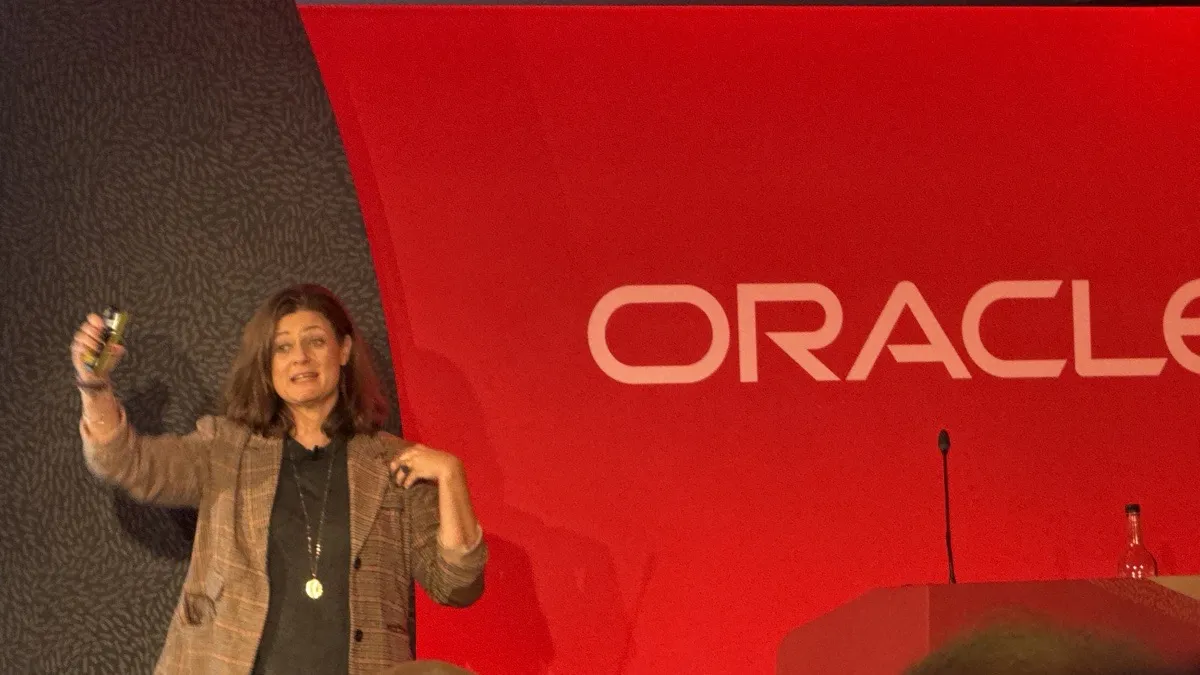
Há 20 a 25 anos, os serviços financeiros tratam a modernização como um projeto com data para acabar. Na abertura do Oracle Financial Services Summit, em Londres, a Dra. Leda Glyptis argumentou que o ponto fraco do setor é...
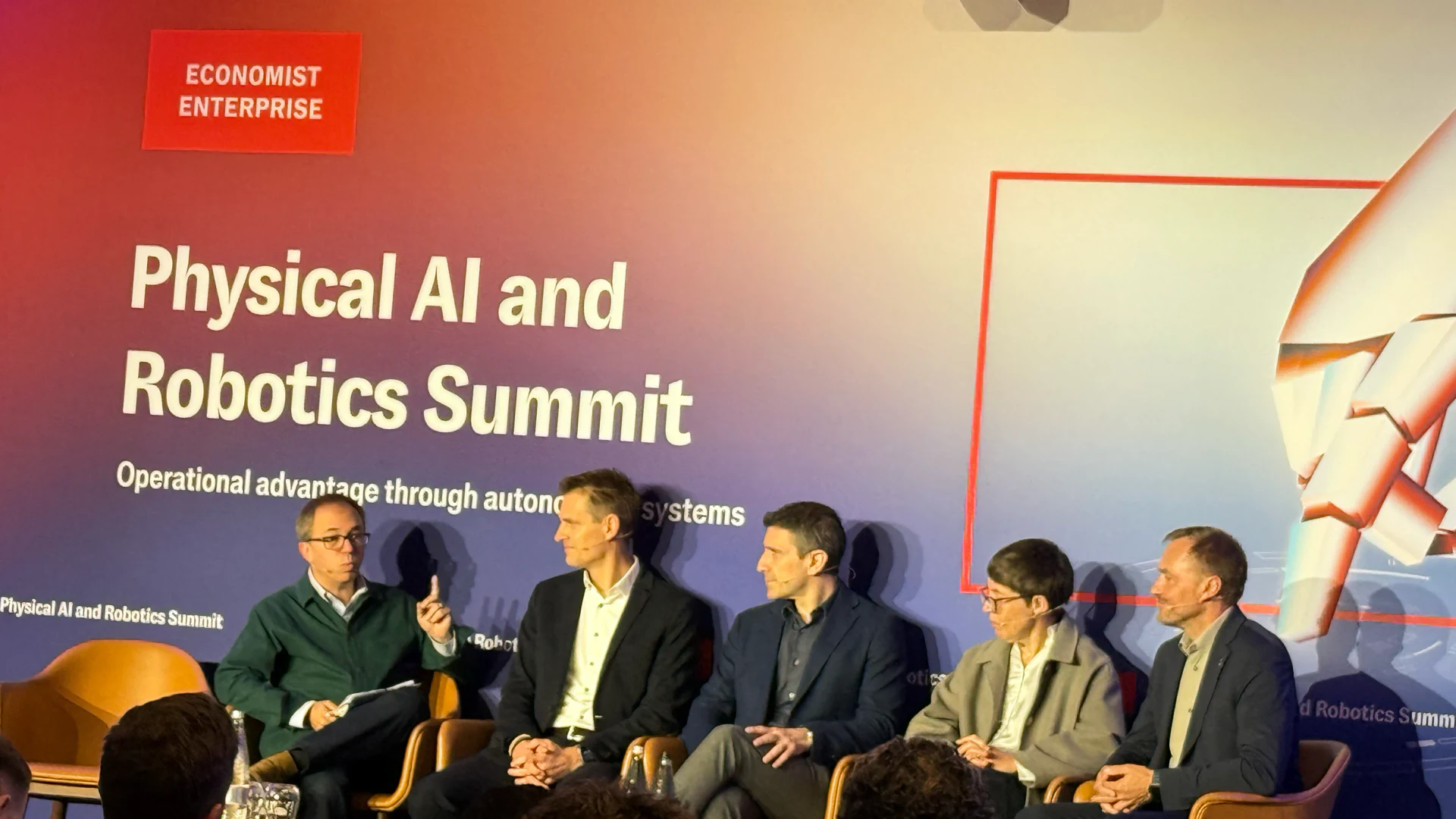
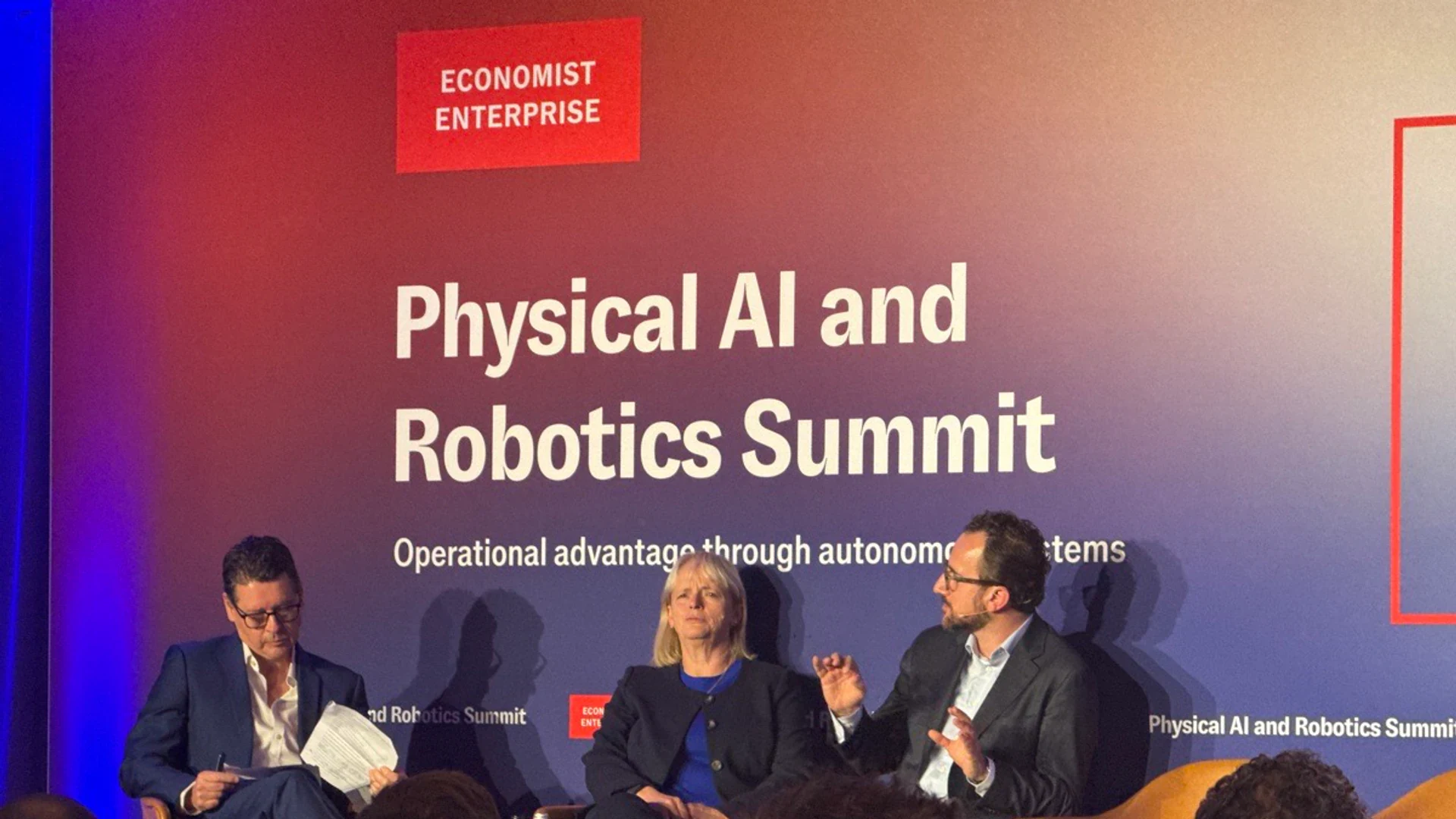
At the Economist Enterprise Physical AI and Robotics Summit in London, aerospace and manufacturing leaders dismantled the silicon-valley narrative of the general-purpose humanoid robot. While venture capital pours billions into bipedal forms, industrial reality proves that form must strictly follow function.
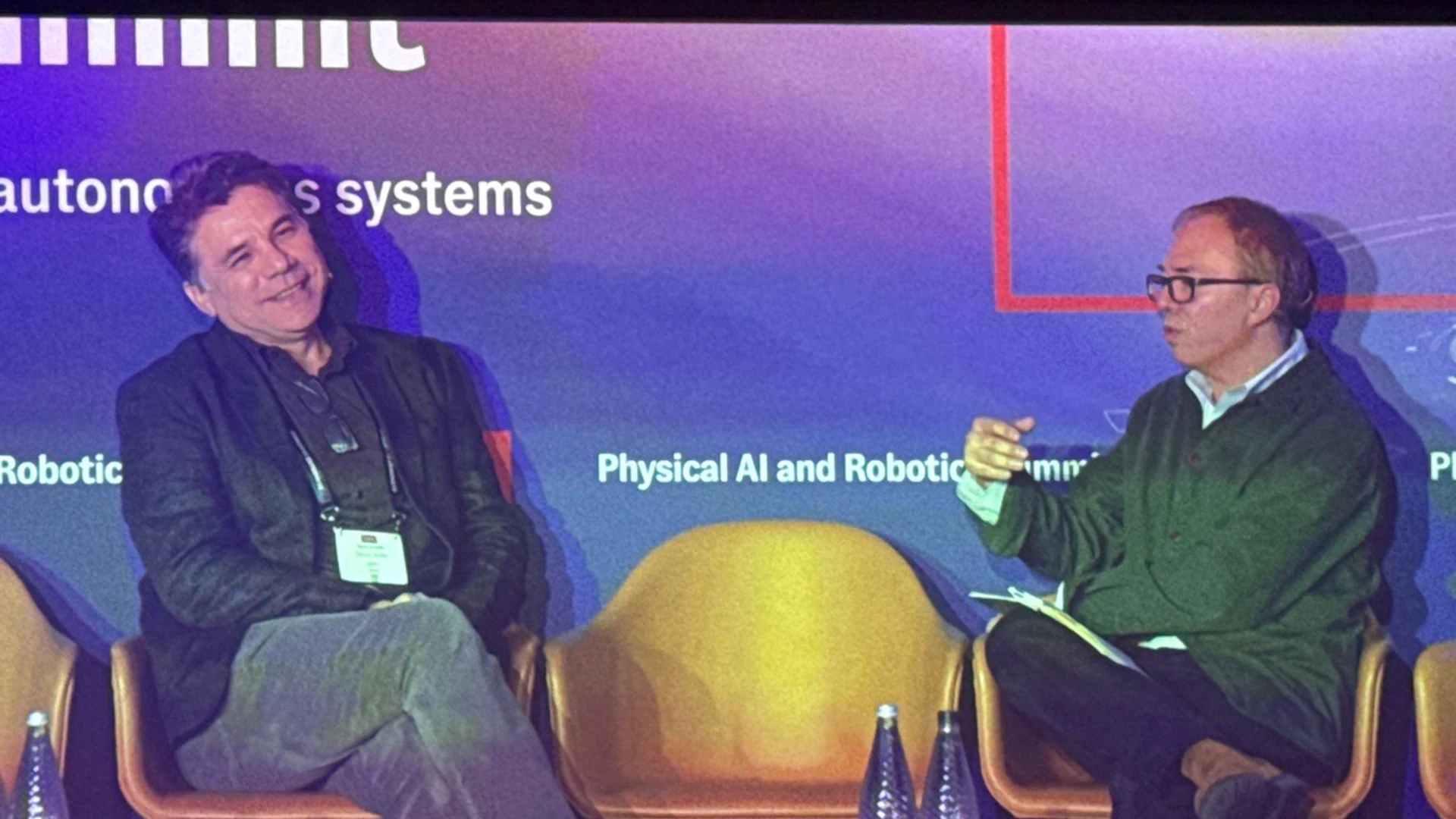
Physical AI cannot scale on 700W data-centre GPUs. At the Economist Enterprise Physical AI and Robotics Summit, Mythic AI Chairman and CEO Taner Ozcelik demonstrated how in-memory compute and chiplet modularity collapse the Von Neumann memory wall to deliver biological-grade efficiency at the physical edge.
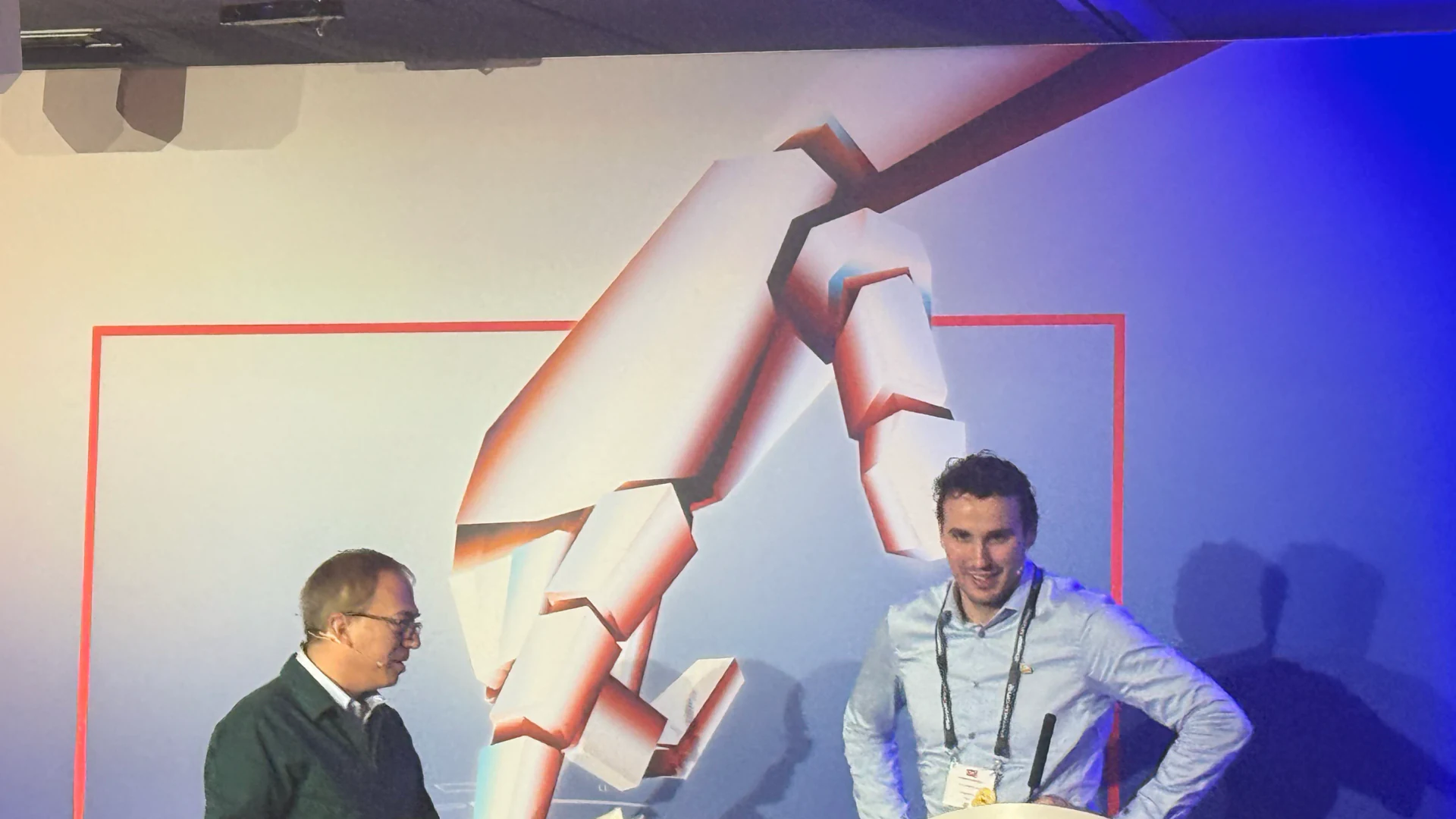
Robotics development has historically been gated behind six-figure hardware and brittle, hand-crafted kinematics. At the Economist Enterprise Physical AI and Robotics Summit, Hugging Face LeRobot lead Pepijn Kooijmans demonstrated how open-source foundation models and $200 hardware are breaking the industry wide open.
Deploying autonomous physical machines alongside human workforces introduces acute psychological and legal hazards that pure software never encountered. At the Economist Enterprise Physical AI and Robotics Summit, leaders from Kier Group and the British Standards Institution (BSI) established the governance blueprint for physical AI.
Foundations of Machine Learning, second edition, defines learning as using experience to make accurate predictions, and then builds a whole curriculum around the quantities that decide whether it works: data,...
A collection of results from an internal OpenAI model spans mathematics and theoretical computer science, and its sharpest result is exact: the asymptotic strength of the Cohn-Elkies linear program is now known,...
A detector for alignment failures that answers many typed questions in one call, with calibrated probabilities, ranks failures well and costs 63× less than LLM-judge scorers. But those probabilities don't transfer...
MIT's ad hoc committee on AI doesn't treat generative AI as a tooling problem to be patched with a policy. Its report treats it as a pressure test on what an MIT education is for, and argues that uncertainty can't be...
Cloudflare has relied on 16 partner public CAs for years without ever issuing a publicly trusted certificate itself. It now intends to become one, and the interesting part is the design: classic certificates and...
The first two operating nuclear clocks arrived together, from teams that didn't coordinate, and neither beats the best atomic clock. The independence of the two results is the more important fact, because it suggests...
Há dois anos os supervisores leem planos de saída que pressupõem uma saída que ninguém precificou, orçou ou ensaiou. Em janeiro o álibi mais duradouro para isso deixa de existir.
As entidades financeiras aprenderam a responder à pergunta sobre a NIS2 com uma frase sobre o DORA. Essa frase está correta, e está prestes a ser aplicada a um regulamento para o qual nunca foi escrita.
O alívio no dossiê de alto risco chegou há nove dias. O risco agora é que os bancos leiam um único adiamento e desmontem um programa que ainda tem uma obrigação valendo hoje.
Por uma década, os bancos foram donos do login. O eIDAS 2 converte a identidade em algo que o cliente carrega e o banco é obrigado a aceitar quando solicitado.
Sob a PSD2, o banco cumpria sozinho: construir o endpoint, publicar a especificação, pronto. O FiDA não tem via unilateral. A conformidade passa por um esquema, desenhado agora.
Quinze anos de doutrina de risco de modelo foram reescritos em abril, e o parágrafo que mais pesa em um comitê de risco em 2026 é o que diz o que a orientação não cobre.
A maioria dos bancos orçou o teste. Poucos orçaram a cadeia de fornecimento da qual ele agora depende: um mercado de prestadores acreditados num relógio sincronizado de três anos e inteligência de ameaças que precisa vir de fora todas as vezes.
Todo roteiro pós-quântico pressupõe um inventário que não existe. O registro de ativos conhece o servidor, o dono e a criticidade; não conhece o algoritmo, o tamanho da chave, a biblioteca nem a validade.
A verificação do beneficiário deixou de ser diferencial no dia em que virou obrigação legal. Sobrou operação: cinco segundos, resposta ambígua e lotes.
Imutável não é o mesmo que confiável. À medida que a liquidação instantânea e a IA probabilística remodelam a banca, o livro-razão não certificado torna-se o elo fraco, e um blockchain certificável torna-se a espinha dorsal de auditoria.
Os pagamentos são agora o núcleo da estratégia de tecnologia bancária. Este é o modelo operacional, a fronteira de risco e o manual de receita que os G-SIBs precisam para liderar o ciclo agêntico e em tempo real.
Gates WCAG em compilação, SRI SHA-384, injeção de CSP e um pipeline LLM local distinguem este motor Rust. Builds incrementais e AVIF seguem aspiracionais.
O setor finalmente tem uma linguagem global para pagamentos. Ainda não tem um mapa global para as empresas agirem sobre ela. ISO 20022 e o CBPR+ da Swift harmonizaram o que um pagamento deve dizer, não como uma empresa o usa — as camadas ausentes de interface e comportamento, e como os bancos podem construir um padrão corporativo global sobre os trilhos que já possuem.