Sebastien Rousseau

CATEGORY

Infrastructure & cryptography

Post-quantum cryptography, cloud-native banking, platform engineering, and the engineering stack that runs the rail.

14 tags

Tags in this category

  • Post-quantum cryptography — 75 articles

    NIST PQ standards, harvest-now-decrypt-later threat, hybrid handshakes, and the migration of banking cryptography to lattice-based primitives.

  • Quantum computing — 25 articles

    Hardware progress, quantum algorithms, the timeline-to-threat, and where quantum compute crosses paths with banking workloads.

  • Cloud-native banking — 23 articles

    Kubernetes, service mesh, multi-region resilience, and the cloud-native architecture patterns banks are adopting under DORA.

  • Platform engineering — 15 articles

    Internal developer platforms, golden paths, paved roads — how banking technology orgs ship engineering productivity.

  • Sovereign cloud — 13 articles

    Data-residency, regulatory-region cloud, and the architectural trade-offs of running banking workloads inside sovereign boundaries.

  • Blockchain — 10 articles

    Distributed ledger technology in financial infrastructure — consensus, validators, smart-contract execution, and where the primitive shows up in banking.

  • Crypto-agility — 9 articles

    Inventorying cryptographic assets, defining a migration path, and shipping replaceable crypto boundaries in production code.

  • ML-KEM — 8 articles

    FIPS 203 — the standardised post-quantum key encapsulation mechanism (formerly CRYSTALS-Kyber).

  • Cryptography — 8 articles

    Applied cryptography in banking — hashes, signatures, KEMs, key management, and the cryptographic primitives that secure the rails.

  • Operational resilience — 8 articles

    Important business services, impact tolerances, severe-but- plausible scenarios, and the operational-resilience programme banks must run.

  • Cybersecurity — 8 articles

    Operational security in banking — threats, controls, incident response, and the regulatory expectations around resilience.

  • Harvest now, decrypt later — 6 articles

    The HNDL threat model — adversaries capturing encrypted traffic today to decrypt once quantum hardware is available.

  • ML-DSA — 5 articles

    FIPS 204 — the standardised post-quantum digital signature algorithm (formerly CRYSTALS-Dilithium).

  • Edge computing — 2 articles

    Edge workers, anti-fraud at the edge, CDN-as-platform — the role of edge compute in financial workloads.

APPLIED AI

Reading the Emerging-Technology Risk Horizon for Banks in 2026

Regulators have started scanning the horizon out loud. Reading the 2026 emerging-technology landscape for banks across three converging vectors — personalised AI intelligence, synthetic financial crime, and programmable finance — and a framework for turning weak signals into supervisory action before harm scales.

INFRASTRUCTURE & CRYPTOGRAPHY

The Agentic AI Index for Banks in 2026: Measuring Autonomy

Agentic AI is operational infrastructure in 2026. This index measures it the way banks measure capital and credit: a six-dimension readiness score across autonomy tiers, the control plane, regulatory evidence, unit economics, organisational readiness, and global regulatory alignment.

PAYMENTS & MONEY

CIB siempre operativa: recuperación cibernética, vías de respaldo y tesorería cuántico-segura

Los bancos corporativos y de inversión tratan ya la recuperación cibernética, las vías de respaldo ISO 20022 sobre RTGS, redes instantáneas y tokenizadas, y los controles de tesorería cuántico-segura como un único modelo operativo siempre operativo — la respuesta defendible ante el consejo a los artículos 5 y 6 de DORA, a FHE, QKD y PQC, y al riesgo de concentración en terceros ICT.

PAYMENTS & MONEY

El Índice de Resiliencia Bancaria Post-Cuántica en 2026: EO 14409, fechas límite globales y agilidad criptográfica fiduciaria

La Executive Order 14409, la fecha límite firme de 2030 de ANSSI y el Artículo 5 de DORA han trasladado la criptografía post-cuántica de meta técnica a largo plazo a mandato regulatorio activo. Este índice convierte la protección de registros, libros mayores de alta frecuencia y canales SWIFT en un baremo 0–5 listo para el consejo, que alinea las primitivas ML-KEM, ML-DSA y SLH-DSA con la responsabilidad fiduciaria y el riesgo de balance.

INFRASTRUCTURE & CRYPTOGRAPHY

Amanecer cuántico para CIB: de KyberLib a un stack de pagos resiliente al cuántico

BIS Quantum Dawn y la hoja de ruta PQC de enero de 2026 del G7 han desplazado la criptografía post-cuántica del laboratorio al orden del día del consejo. Este artículo extiende KyberLib, de toolkit a programa de transición CIB de empresa — cubriendo raíles de alto valor, financiación del comercio, custodia y las divulgaciones que los reguladores ya exigen.

INFRASTRUCTURE & CRYPTOGRAPHY

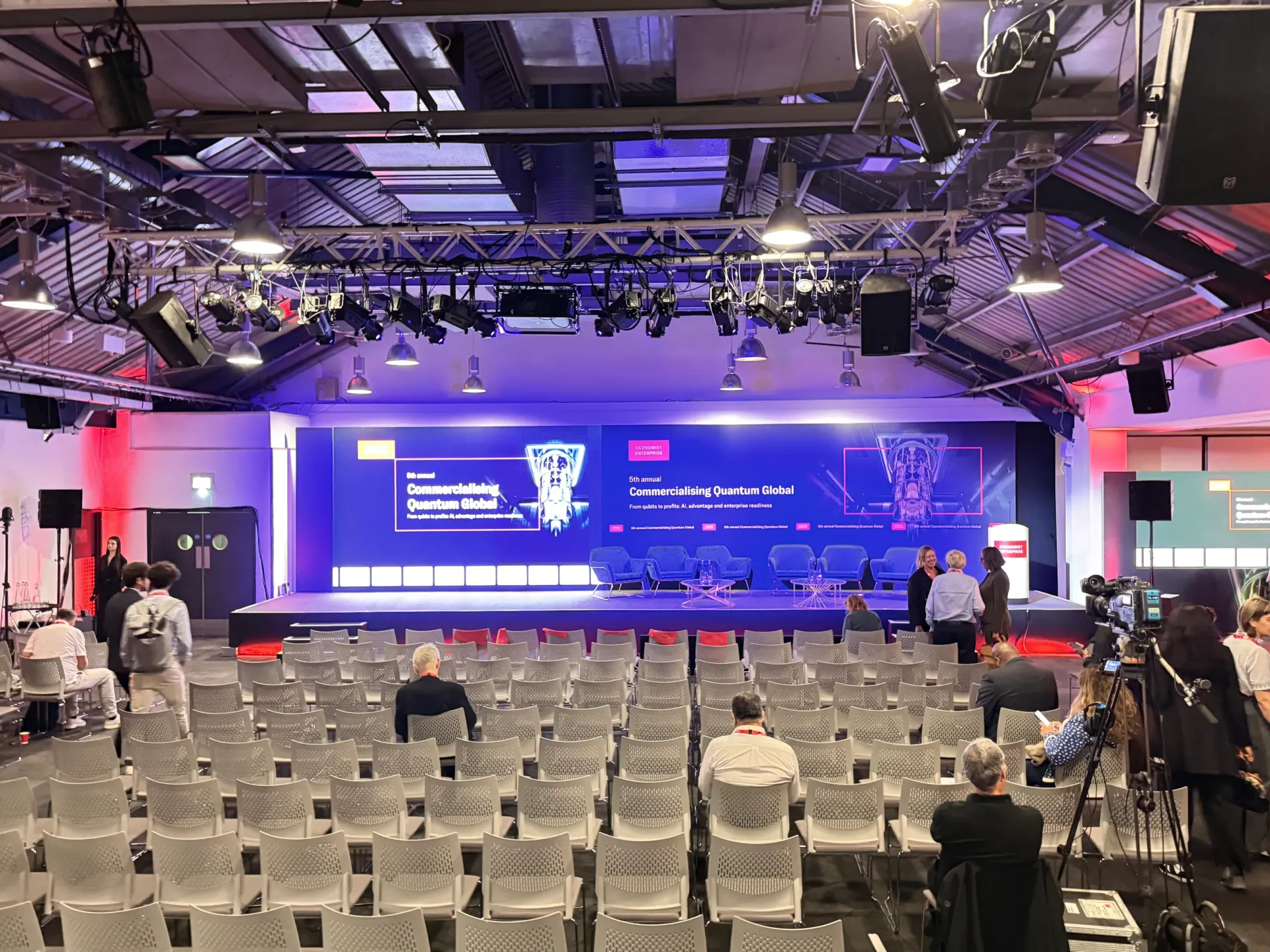
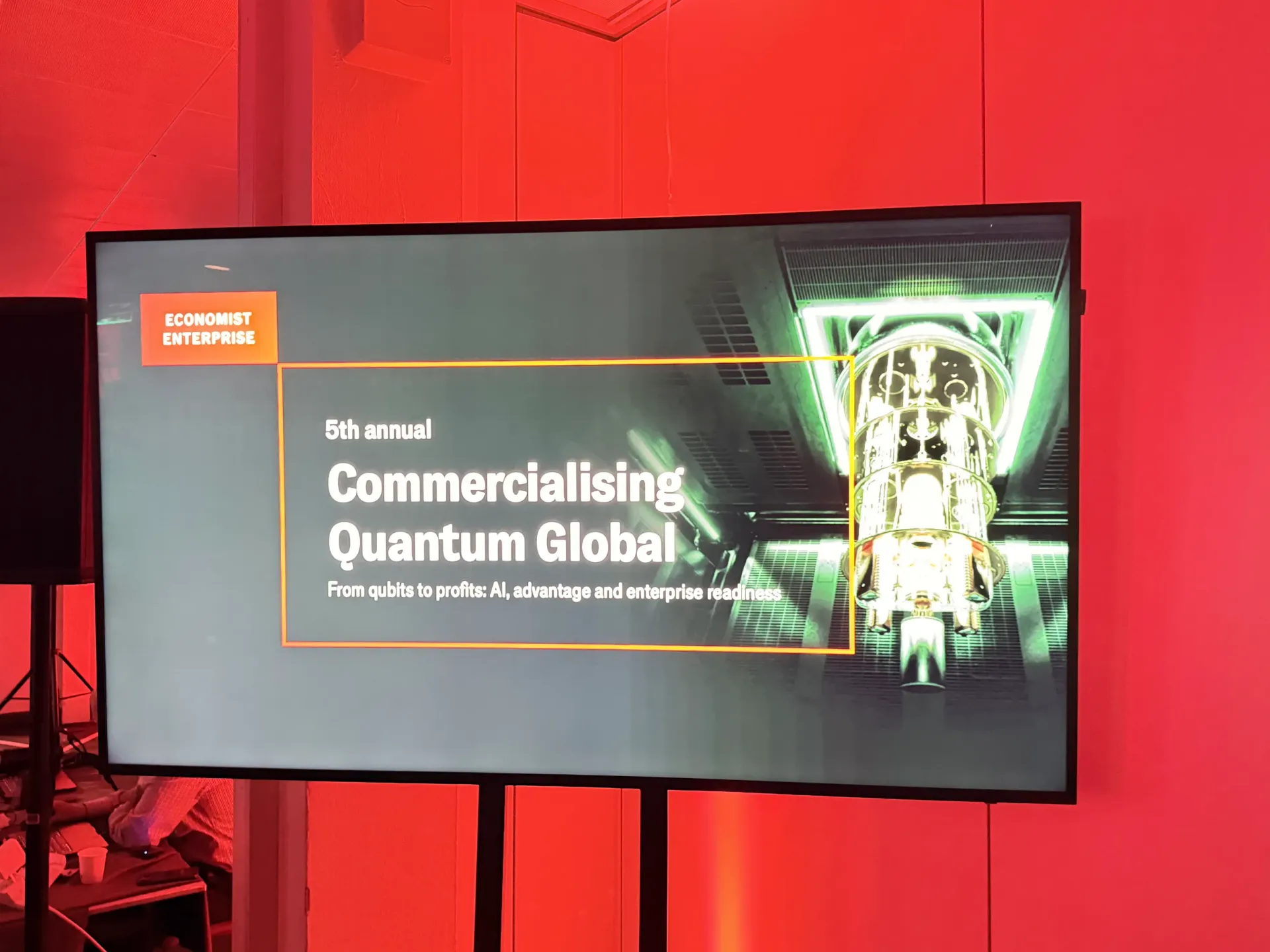
De los qubits a los beneficios: claves estratégicas de la 5.ª Cumbre Anual Commercialising Quantum Global 2026 de The Economist

La 5.ª Cumbre Anual Commercialising Quantum Global 2026 de Economist Impact confirmó el giro cuántico hacia los workflows empresariales: 1.300 millones de dólares levantados en cinco meses, la criptografía postcuántica es una cuestión fiduciaria a nivel de consejo bajo la recolección SNDL, el sensado cuántico ya se despliega para navegación independiente de GPS, y Philip Intallura, de HSBC, lanzó la directriz: esperar al hardware tolerante a fallos es un error no forzado.

INFRASTRUCTURE & CRYPTOGRAPHY

KyberLib y la migración post-cuántica de la banca en 2026: de estándares a código

KyberLib convierte la migración post-cuántica de la banca de documento de política en Rust inspeccionable: encapsulamiento de clave ML-KEM FIPS 203, handshakes híbridos clásico-cuánticos, compilación no_std para HSM, fronteras de abstracción cripto-ágiles y la evidencia de gobernanza que exige el artículo 5 de DORA.

APPLIED AI

CloudCDN: modelo de código abierto para el edge nativo de IA en 2026

CloudCDN es un modelo de código abierto para el edge nativo de IA: una pasarela MCP de confianza cero con 42 herramientas, limitación de tasa atómica con Durable Objects, passkeys WebAuthn, URLs firmadas, procedencia SLSA Level 3 y 3.185 pruebas al 100 % de cobertura, alineado con DORA, BCBS 239 y Basel III.