Sebastien Rousseau

CATEGORY

Infrastructure & cryptography

Post-quantum cryptography, cloud-native banking, platform engineering, and the engineering stack that runs the rail.

14 tags

Tags in this category

  • Post-quantum cryptography — 75 articles

    NIST PQ standards, harvest-now-decrypt-later threat, hybrid handshakes, and the migration of banking cryptography to lattice-based primitives.

  • Quantum computing — 25 articles

    Hardware progress, quantum algorithms, the timeline-to-threat, and where quantum compute crosses paths with banking workloads.

  • Cloud-native banking — 23 articles

    Kubernetes, service mesh, multi-region resilience, and the cloud-native architecture patterns banks are adopting under DORA.

  • Platform engineering — 15 articles

    Internal developer platforms, golden paths, paved roads — how banking technology orgs ship engineering productivity.

  • Sovereign cloud — 13 articles

    Data-residency, regulatory-region cloud, and the architectural trade-offs of running banking workloads inside sovereign boundaries.

  • Blockchain — 10 articles

    Distributed ledger technology in financial infrastructure — consensus, validators, smart-contract execution, and where the primitive shows up in banking.

  • Crypto-agility — 9 articles

    Inventorying cryptographic assets, defining a migration path, and shipping replaceable crypto boundaries in production code.

  • ML-KEM — 8 articles

    FIPS 203 — the standardised post-quantum key encapsulation mechanism (formerly CRYSTALS-Kyber).

  • Cryptography — 8 articles

    Applied cryptography in banking — hashes, signatures, KEMs, key management, and the cryptographic primitives that secure the rails.

  • Operational resilience — 8 articles

    Important business services, impact tolerances, severe-but- plausible scenarios, and the operational-resilience programme banks must run.

  • Cybersecurity — 8 articles

    Operational security in banking — threats, controls, incident response, and the regulatory expectations around resilience.

  • Harvest now, decrypt later — 6 articles

    The HNDL threat model — adversaries capturing encrypted traffic today to decrypt once quantum hardware is available.

  • ML-DSA — 5 articles

    FIPS 204 — the standardised post-quantum digital signature algorithm (formerly CRYSTALS-Dilithium).

  • Edge computing — 2 articles

    Edge workers, anti-fraud at the edge, CDN-as-platform — the role of edge compute in financial workloads.

APPLIED AI

Reading the Emerging-Technology Risk Horizon for Banks in 2026

Regulators have started scanning the horizon out loud. Reading the 2026 emerging-technology landscape for banks across three converging vectors — personalised AI intelligence, synthetic financial crime, and programmable finance — and a framework for turning weak signals into supervisory action before harm scales.

INFRASTRUCTURE & CRYPTOGRAPHY

The Agentic AI Index for Banks in 2026: Measuring Autonomy

Agentic AI is operational infrastructure in 2026. This index measures it the way banks measure capital and credit: a six-dimension readiness score across autonomy tiers, the control plane, regulatory evidence, unit economics, organisational readiness, and global regulatory alignment.

PAYMENTS & MONEY

CIB sempre ativo: recuperação cibernética, trilhos de contingência e tesouraria quantum-safe

Bancos corporativos e de investimento agora tratam recuperação cibernética, trilhos de contingência ISO 20022 em RTGS, redes instantâneas e tokenizadas, e controles de tesouraria quantum-safe como um único modelo operacional sempre ativo — a resposta, com governança no nível do conselho, aos Artigos 5 e 6 da DORA, às primitivas FHE, QKD e PQC, e ao risco de concentração de terceiros ICT.

PAYMENTS & MONEY

O Índice de Resiliência Bancária Pós-Quântica em 2026: EO 14409, Prazos Globais e Agilidade Criptográfica Fiduciária

A Executive Order 14409, o prazo rígido de 2030 da ANSSI e o Artigo 5 da DORA tiraram a criptografia pós-quântica do plano técnico de longo prazo e a converteram em um mandato regulatório ativo. Este índice transforma a proteção de registros, livros-razão de alta frequência e canais SWIFT em um placar 0–5 para o conselho, que alinha as primitivas ML-KEM, ML-DSA e SLH-DSA à responsabilidade fiduciária e ao risco de balanço.

INFRASTRUCTURE & CRYPTOGRAPHY

Aurora Quântica para CIB: da KyberLib a um stack de pagamentos resiliente a quântica

O BIS Quantum Dawn e o roadmap PQC de janeiro de 2026 do G7 tiraram a criptografia pós-quântica da pesquisa e a colocaram na agenda do conselho. Este texto estende a KyberLib de toolkit a programa corporativo de transição em CIB — cobrindo trilhos de alto valor, trade finance, custódia e as divulgações que reguladores agora exigem.

INFRASTRUCTURE & CRYPTOGRAPHY

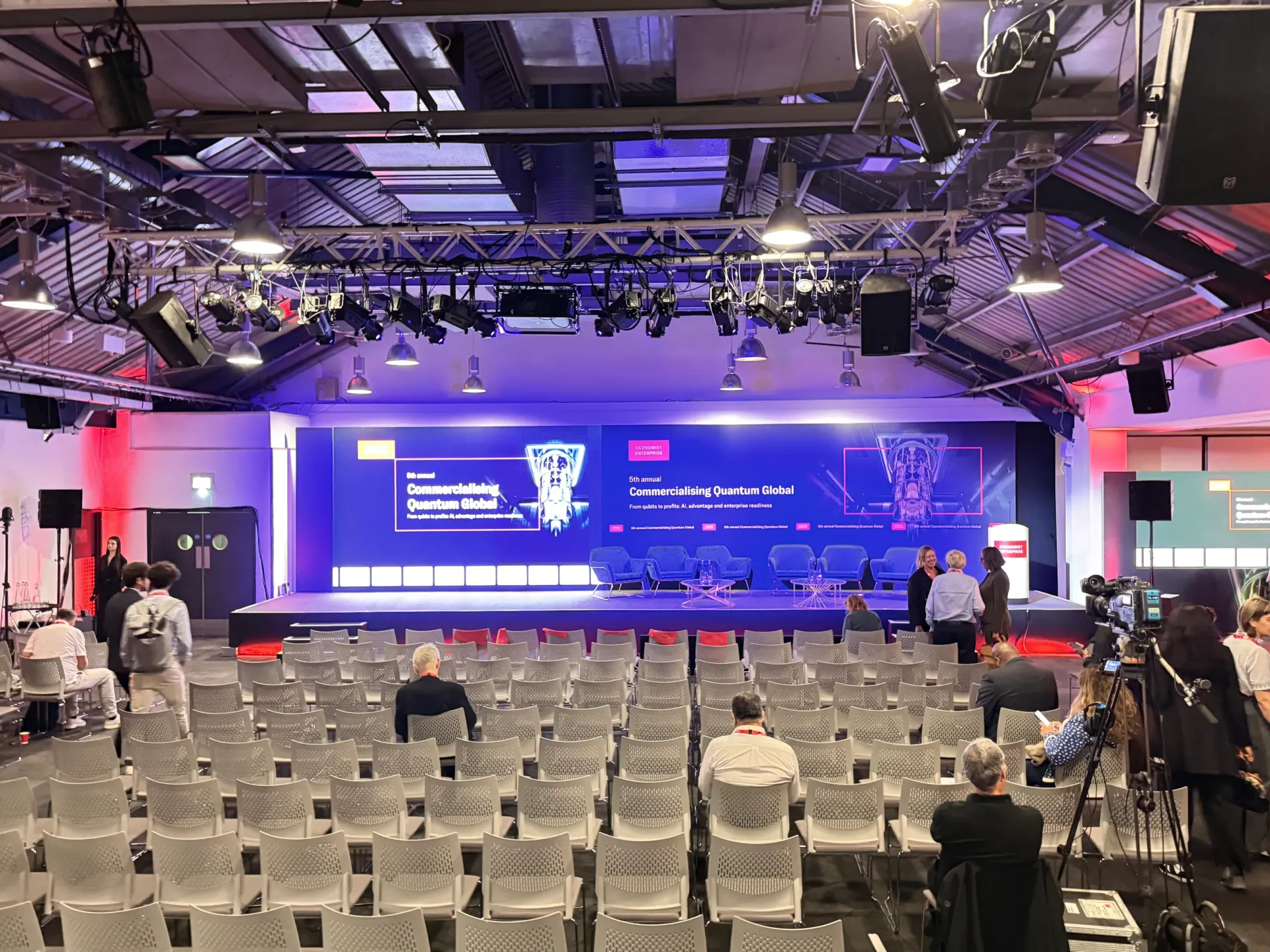
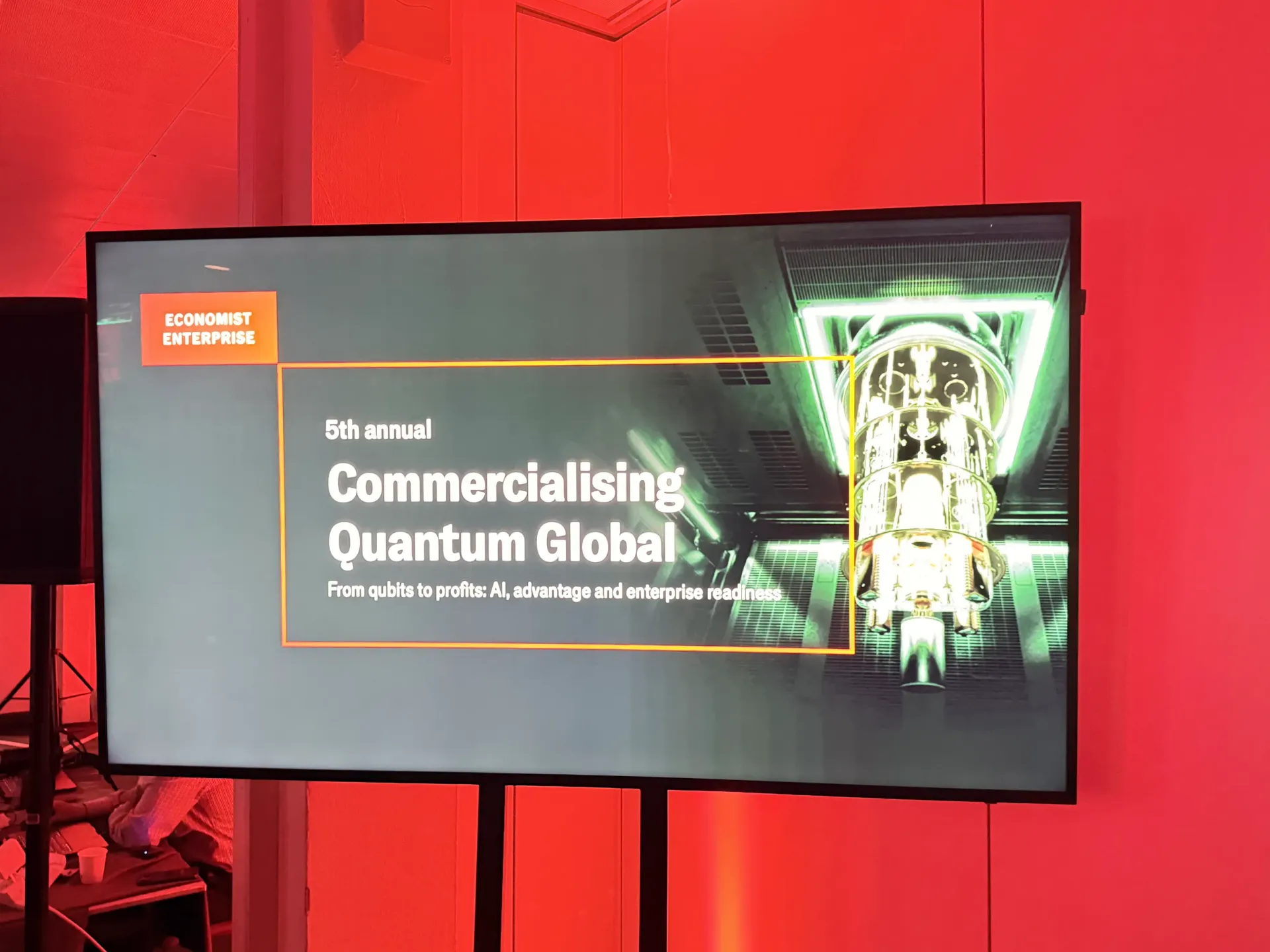
De qubits a lucros: conclusões estratégicas do 5º Annual Commercialising Quantum Global 2026 da Economist

O summit Economist Impact 5th Annual Commercialising Quantum Global 2026 confirmou a virada da computação quântica para fluxos corporativos: US$ 1,3 bi captados em cinco meses, criptografia pós-quântica como questão fiduciária de conselho sob o ataque SNDL, sensoriamento quântico já em produção para navegação independente de GPS e a diretiva de Philip Intallura, do HSBC, de que esperar por hardware tolerante a falhas é um erro não forçado.

INFRASTRUCTURE & CRYPTOGRAPHY

KyberLib e a migração pós-quântica bancária em 2026: dos padrões ao código

A KyberLib transforma a migração bancária pós-quântica de documento de política em Rust inspecionável — encapsulamento de chave ML-KEM do FIPS 203, handshakes híbridos clássico-mais-pós-quântico, compilação no_std para HSMs, fronteiras de abstração cripto-ágeis e a evidência de governança do Artigo 5 da DORA que os conselhos agora exigem.

APPLIED AI

CloudCDN: um blueprint de código aberto para a edge AI-nativa em 2026

CloudCDN é um blueprint de código aberto para a edge AI-nativa — gateway MCP zero trust com 42 ferramentas, limitação de taxa atômica via Durable Objects, passkeys WebAuthn, signed URLs, proveniência SLSA Level 3 e 3.185 testes com 100% de cobertura, mapeados a DORA, BCBS 239 e Basel III.