INFRASTRUCTURE & CRYPTOGRAPHY
紅隊已成受監理的供應鏈:DORA TLPT 制度的實際要求
多數銀行已估過測試的成本,估過它如今所倚賴那條供應鏈的則少得多:一個踩在同步三年時鐘上、須經認證的測試服務商市場,以及每一次都必須來自外部的威脅情資。
CATEGORY
Post-quantum cryptography, cloud-native banking, platform engineering, and the engineering stack that runs the rail.
INFRASTRUCTURE & CRYPTOGRAPHY
多數銀行已估過測試的成本,估過它如今所倚賴那條供應鏈的則少得多:一個踩在同步三年時鐘上、須經認證的測試服務商市場,以及每一次都必須來自外部的威脅情資。
INFRASTRUCTURE & CRYPTOGRAPHY
每一份後量子路線圖,都預設了一份並不存在的清冊。資產登錄冊知道伺服器、擁有者與重要性;它不知道演算法、金鑰長度、函式庫與到期日。
APPLIED AI
Regulators have started scanning the horizon out loud. Reading the 2026 emerging-technology landscape for banks across three converging vectors — personalised AI intelligence, synthetic financial crime, and programmable finance — and a framework for turning weak signals into supervisory action before harm scales.
INFRASTRUCTURE & CRYPTOGRAPHY
Agentic AI is operational infrastructure in 2026. This index measures it the way banks measure capital and credit: a six-dimension readiness score across autonomy tiers, the control plane, regulatory evidence, unit economics, organisational readiness, and global regulatory alignment.
INFRASTRUCTURE & CRYPTOGRAPHY
截至 2026 年 6 月,後量子密碼學(PQC)已從實驗性的技術議題,轉為首要的受託責任。董事會如今必須監督舊式加密系統的系統性遷移……
PAYMENTS & MONEY
企業與投資銀行(CIB)如今將網路復原、跨 RTGS、即時與代幣化網路的 ISO 20022 備援軌道,以及量子安全財務控管,視為單一持續不停機營運模式——這是針對 DORA 第 5、6 條、FHE、QKD 與 PQC 原語,以及 ICT 第三方集中度風險,所給出的董事會級回應。
PAYMENTS & MONEY
行政命令 EO 14409、ANSSI 嚴格的 2030 年大限與 DORA 第 5 條,已將後量子密碼學從長程技術目標推向現行的監管強制要求。本指數把登記系統、高頻帳本與 SWIFT 通道的安全,轉化為董事會可用的 0–5 級計分卡,使 ML-KEM、ML-DSA 與 SLH-DSA 等原語與受託責任及資產負債表風險對齊。
INFRASTRUCTURE & CRYPTOGRAPHY
BIS《量子曙光》與 G7 2026 年 1 月的 PQC 路線圖,已將後量子密碼學由研究議題推進至董事會議程。本文將 KyberLib 由工具組延伸為企業級 CIB 轉型計畫——涵蓋高價值支付管道、貿易融資、託管,以及監理機關現正要求的揭露事項。
INFRASTRUCTURE & CRYPTOGRAPHY
在 GPU 加速破解與 DORA 要求的時代,密碼學腐化是系統性風險。每一筆躺在銀行資料庫中的舊式 PBKDF2 或 scrypt 雜湊,都是邁向資安失守的倒數計時器。hsh 以零停機、記憶體安全的升級扭轉局面……
PAYMENTS & MONEY
2026 年 Tier-1 銀行與企業財資的三支柱架構框架:加密治理、作為自主神經數據基礎的 ISO 20022、以及通道無關的編排層 — 為 DORA 等級的營運韌性而設計。
INFRASTRUCTURE & CRYPTOGRAPHY
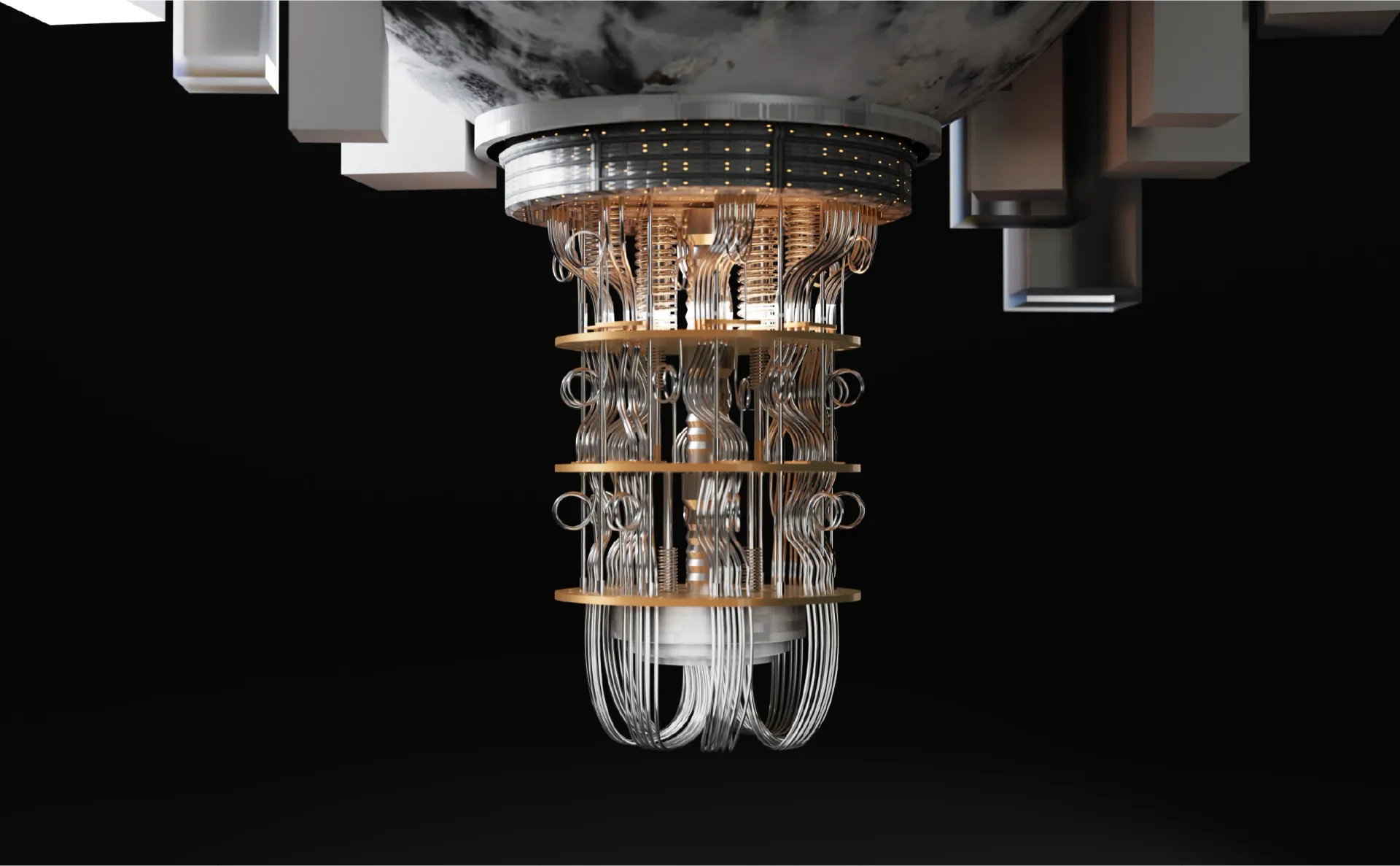
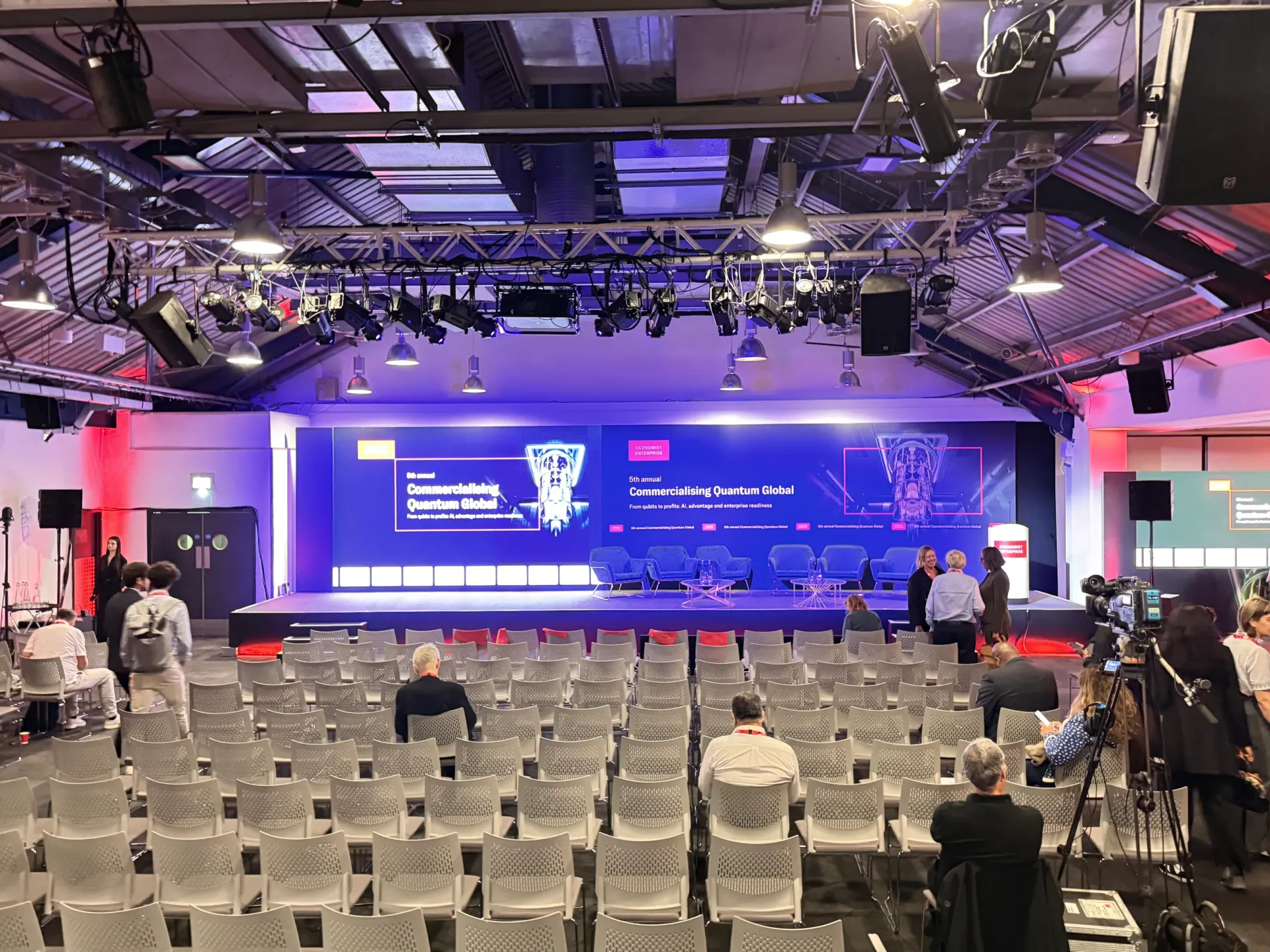
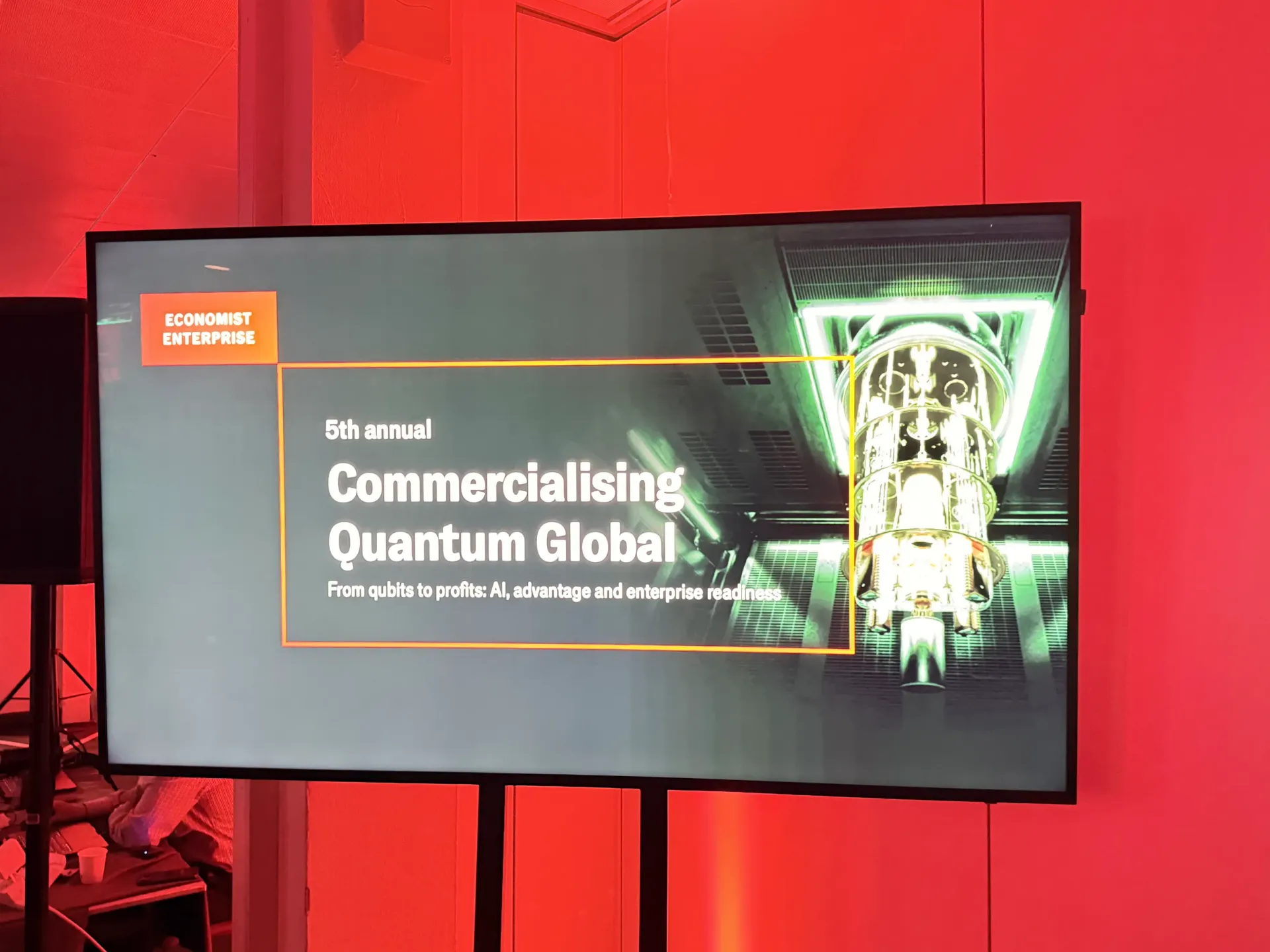
Economist Impact 第五屆 Commercialising Quantum Global 2026 高峰會,確認了量子轉向企業工作流的軸線:五個月內募得 13 億美元、後量子密碼學在 SNDL 收割下已成董事會層級的受託議題、量子感測已可投入 GPS 獨立導航,而 HSBC 的 Philip Intallura 直言:坐等容錯硬體就是非受迫性失誤。