Sebastien Rousseau

CATEGORY

Infrastructure & cryptography

Post-quantum cryptography, cloud-native banking, platform engineering, and the engineering stack that runs the rail.

14 tags

Tags in this category

  • Post-quantum cryptography — 75 articles

    NIST PQ standards, harvest-now-decrypt-later threat, hybrid handshakes, and the migration of banking cryptography to lattice-based primitives.

  • Quantum computing — 25 articles

    Hardware progress, quantum algorithms, the timeline-to-threat, and where quantum compute crosses paths with banking workloads.

  • Cloud-native banking — 23 articles

    Kubernetes, service mesh, multi-region resilience, and the cloud-native architecture patterns banks are adopting under DORA.

  • Platform engineering — 15 articles

    Internal developer platforms, golden paths, paved roads — how banking technology orgs ship engineering productivity.

  • Sovereign cloud — 13 articles

    Data-residency, regulatory-region cloud, and the architectural trade-offs of running banking workloads inside sovereign boundaries.

  • Blockchain — 10 articles

    Distributed ledger technology in financial infrastructure — consensus, validators, smart-contract execution, and where the primitive shows up in banking.

  • Crypto-agility — 9 articles

    Inventorying cryptographic assets, defining a migration path, and shipping replaceable crypto boundaries in production code.

  • ML-KEM — 8 articles

    FIPS 203 — the standardised post-quantum key encapsulation mechanism (formerly CRYSTALS-Kyber).

  • Cryptography — 8 articles

    Applied cryptography in banking — hashes, signatures, KEMs, key management, and the cryptographic primitives that secure the rails.

  • Operational resilience — 8 articles

    Important business services, impact tolerances, severe-but- plausible scenarios, and the operational-resilience programme banks must run.

  • Cybersecurity — 8 articles

    Operational security in banking — threats, controls, incident response, and the regulatory expectations around resilience.

  • Harvest now, decrypt later — 6 articles

    The HNDL threat model — adversaries capturing encrypted traffic today to decrypt once quantum hardware is available.

  • ML-DSA — 5 articles

    FIPS 204 — the standardised post-quantum digital signature algorithm (formerly CRYSTALS-Dilithium).

  • Edge computing — 2 articles

    Edge workers, anti-fraud at the edge, CDN-as-platform — the role of edge compute in financial workloads.

APPLIED AI

Reading the Emerging-Technology Risk Horizon for Banks in 2026

Regulators have started scanning the horizon out loud. Reading the 2026 emerging-technology landscape for banks across three converging vectors — personalised AI intelligence, synthetic financial crime, and programmable finance — and a framework for turning weak signals into supervisory action before harm scales.

INFRASTRUCTURE & CRYPTOGRAPHY

The Agentic AI Index for Banks in 2026: Measuring Autonomy

Agentic AI is operational infrastructure in 2026. This index measures it the way banks measure capital and credit: a six-dimension readiness score across autonomy tiers, the control plane, regulatory evidence, unit economics, organisational readiness, and global regulatory alignment.

PAYMENTS & MONEY

Always-On CIB: cyberherstel, fallback-rails en kwantumveilige treasury

Corporate and investment banks behandelen cyberherstel, ISO 20022 fallback-rails over RTGS, instant- en getokeniseerde netwerken, en kwantumveilige treasury-controles nu als één always-on operating model — het bestuursklare antwoord op DORA Artikel 5 en 6, FHE, QKD en PQC-primitieven, en concentratierisico bij ICT-derden.

PAYMENTS & MONEY

De Post-Quantum Banking Resilience Index in 2026: EO 14409, mondiale deadlines en fiduciaire crypto-flexibiliteit

Executive Order 14409, de harde 2030-deadline van ANSSI en DORA Artikel 5 hebben post-kwantumcryptografie verschoven van een technisch doel op lange termijn naar een actief regelgevend mandaat. Deze index zet het beveiligen van registers, hoogfrequente grootboeken en SWIFT-kanalen om in een 0–5 scorecard voor de raad van bestuur die ML-KEM, ML-DSA en SLH-DSA-primitieven afstemt op fiduciaire aansprakelijkheid en balansrisico.

INFRASTRUCTURE & CRYPTOGRAPHY

Quantum Dawn voor CIB: van KyberLib naar een kwantumbestendige betaalstack

BIS Quantum Dawn en de PQC-routekaart van de G7 van januari 2026 hebben post-kwantumcryptografie van onderzoek naar bestuursagenda verschoven. Dit stuk breidt KyberLib uit van een toolkit naar een enterprise CIB-transitieprogramma — over high-value rails, trade finance, custody en de openbaarmakingen die toezichthouders nu opvragen.

INFRASTRUCTURE & CRYPTOGRAPHY

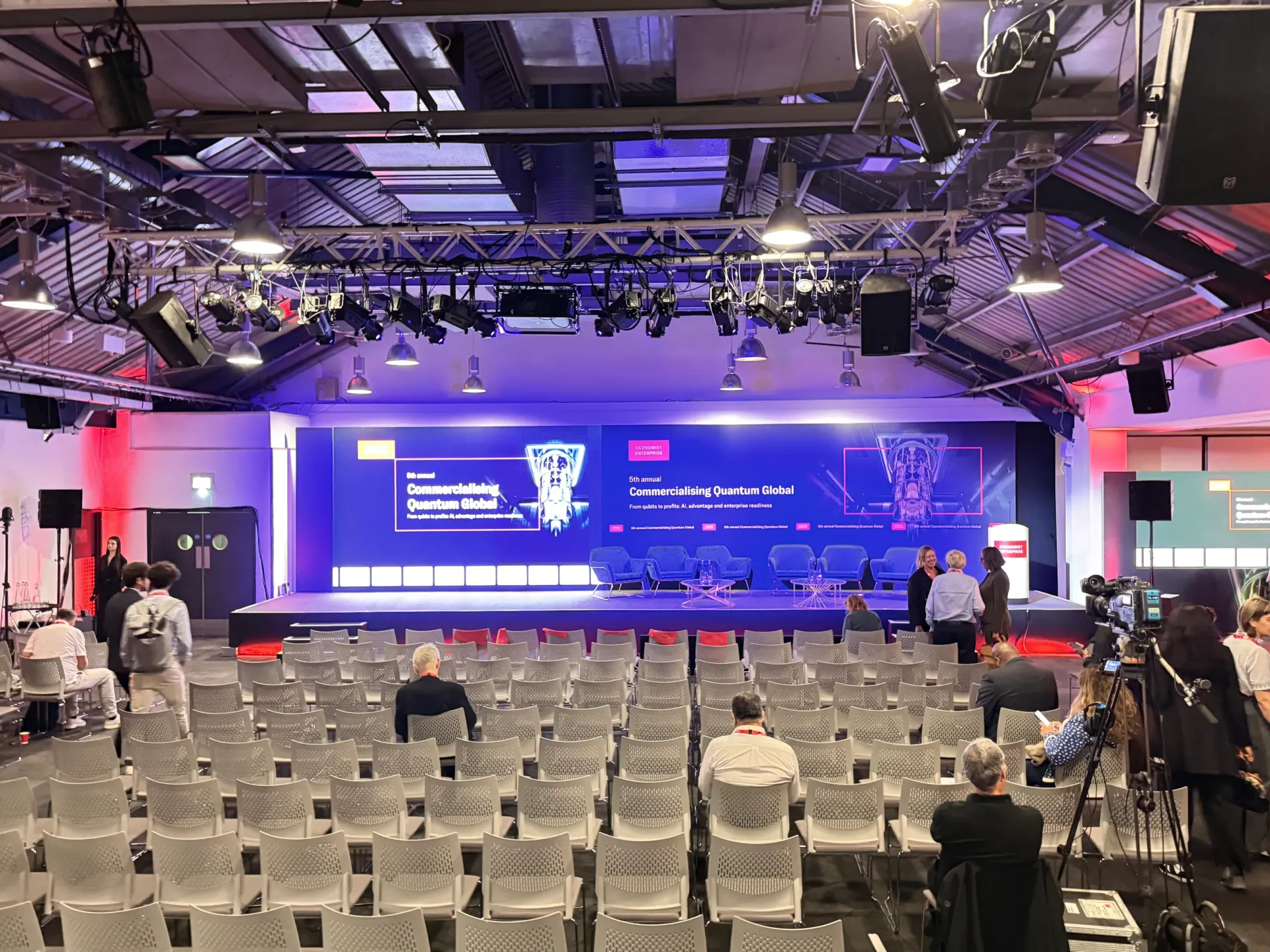
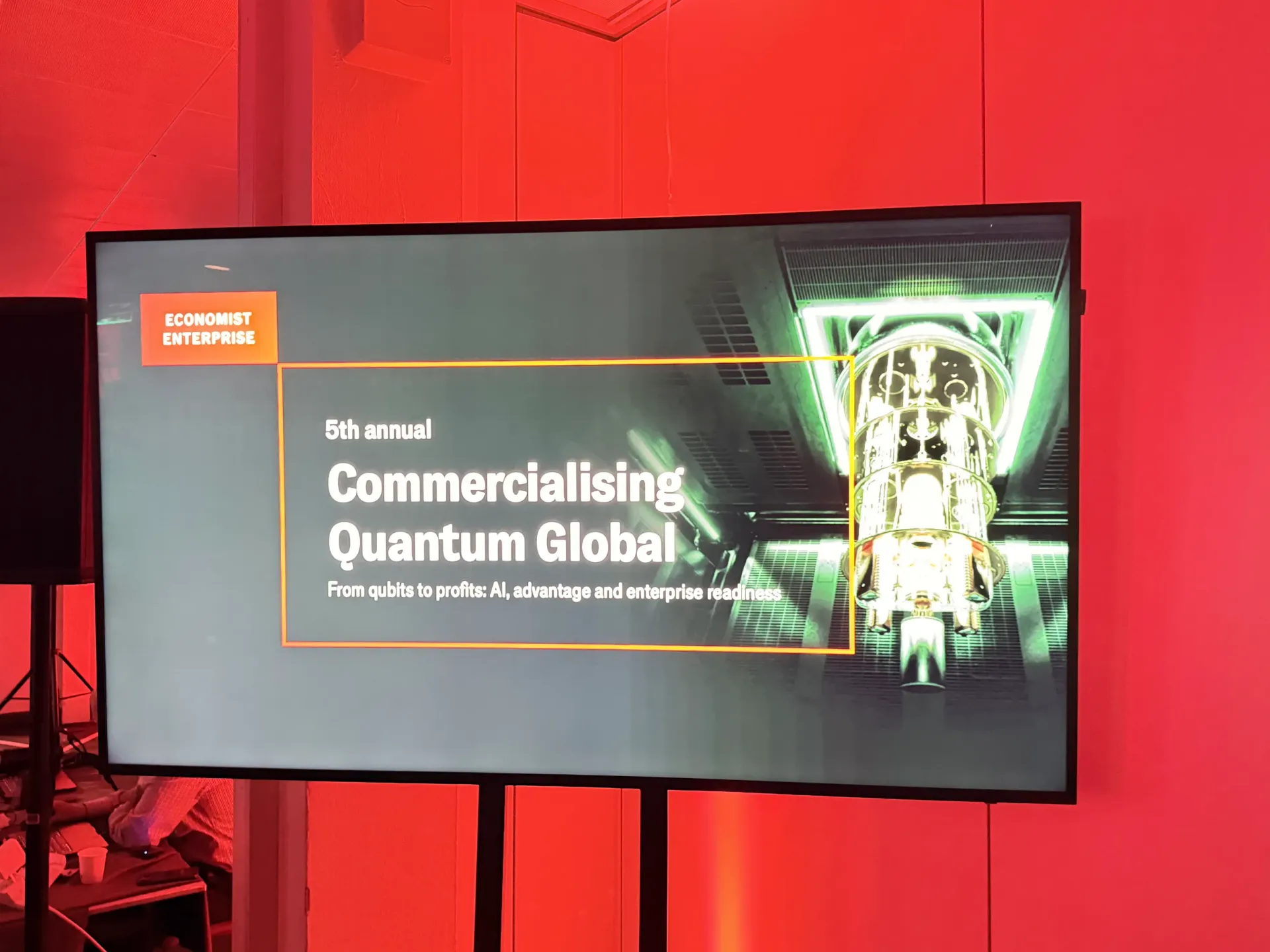
Van qubits naar winst: strategische inzichten van de 5th Annual Commercialising Quantum Global 2026-top van The Economist

De Economist Impact 5th Annual Commercialising Quantum Global 2026-top bevestigde de pivot van kwantum naar enterprise-werkstromen: $1,3 mld opgehaald in vijf maanden, post-kwantumcryptografie is een fiduciair vraagstuk op bestuursniveau onder SNDL-harvesting, kwantumsensing wordt vandaag uitgerold voor GPS-onafhankelijke navigatie, en Philip Intallura van HSBC gaf de richtlijn dat wachten op fout-tolerante hardware een onnodige fout is.

INFRASTRUCTURE & CRYPTOGRAPHY

KyberLib en de post-quantum-migratie van banken in 2026: van standaarden naar code

KyberLib vertaalt de post-quantum-migratie van banken van beleidsnota naar inspecteerbare Rust — FIPS 203 ML-KEM-sleutel-encapsulatie, hybride klassiek-plus-quantum-handshakes, no_std-compilatie voor HSM's, crypto-agile abstractiegrenzen en het governancebewijs dat besturen onder DORA artikel 5 nodig hebben.

APPLIED AI

CloudCDN: een open source blauwdruk voor de AI-native edge in 2026

CloudCDN is een open source blauwdruk voor de AI-native edge — een zero-trust MCP-gateway met 42 tools, atomair rate limiting via Durable Objects, WebAuthn-passkeys, ondertekende URLs, SLSA Level 3-provenance en 3.185 tests bij 100% dekking, gekoppeld aan DORA, BCBS 239 en Basel III.