INFRASTRUCTURE & CRYPTOGRAPHY
레드팀은 감독받는 공급망이 되었습니다: DORA TLPT 체제가 실제로 요구하는 것
대부분의 은행은 테스트 비용을 산정했습니다. 그 테스트가 이제 의존하는 공급망까지 산정한 곳은 훨씬 적습니다. 동일한 3년 시계를 공유하는 인증 수행기관 시장, 그리고 매번 외부에서 조달해야 하는 위협 인텔리전스입니다.
CATEGORY
Post-quantum cryptography, cloud-native banking, platform engineering, and the engineering stack that runs the rail.
INFRASTRUCTURE & CRYPTOGRAPHY
대부분의 은행은 테스트 비용을 산정했습니다. 그 테스트가 이제 의존하는 공급망까지 산정한 곳은 훨씬 적습니다. 동일한 3년 시계를 공유하는 인증 수행기관 시장, 그리고 매번 외부에서 조달해야 하는 위협 인텔리전스입니다.
INFRASTRUCTURE & CRYPTOGRAPHY
은행권의 모든 양자내성 로드맵은 존재하지 않는 목록을 전제로 합니다. 자산 대장은 서버와 소유자, 중요도는 알고 있지만 그 안에서 쓰이는 알고리즘도, 키 길이도, 라이브러리도, 인증서 만료일도 알지 못합니다.
APPLIED AI
불변은 신뢰와 같지 않습니다. 즉시 결제와 확률론적 AI가 뱅킹을 재편하면서, 인증되지 않은 원장은 약한 고리가 되고, 인증 가능한 블록체인은 감사 스파인이 됩니다.
APPLIED AI
Regulators have started scanning the horizon out loud. Reading the 2026 emerging-technology landscape for banks across three converging vectors — personalised AI intelligence, synthetic financial crime, and programmable finance — and a framework for turning weak signals into supervisory action before harm scales.
INFRASTRUCTURE & CRYPTOGRAPHY
Agentic AI is operational infrastructure in 2026. This index measures it the way banks measure capital and credit: a six-dimension readiness score across autonomy tiers, the control plane, regulatory evidence, unit economics, organisational readiness, and global regulatory alignment.
INFRASTRUCTURE & CRYPTOGRAPHY
2026년 6월 현재, 양자내성 암호 (PQC)는 실험적 기술 관심사에서 주요 수탁자 의무로 이동했습니다. 이사회는 이제 레거시 암호화의 체계적 이전을 감독해야 합니다...
PAYMENTS & MONEY
기업·투자은행은 이제 사이버 복구, RTGS·인스턴트·토큰화 네트워크에 걸친 ISO 20022 대체 레일, 양자내성 트레저리 통제를 하나의 상시 가동 운영 모델로 다룹니다 — DORA 5조와 6조, FHE·QKD·PQC 프리미티브, ICT 제3자 집중 리스크에 대한 이사회급 대응입니다.
PAYMENTS & MONEY
Executive Order 14409, ANSSI의 강력한 2030년 기한, DORA 제5조는 포스트 양자 암호를 장기적 기술 목표에서 현행 규제 의무로 옮겨놓았습니다. 본 지수는 레지스트리, 고빈도 원장, SWIFT 채널의 보안을 ML-KEM, ML-DSA, SLH-DSA 프리미티브를 수탁자적 책임 및 대차대조표 리스크와 정렬하는 이사회용 0–5 스코어카드로 전환합니다.
INFRASTRUCTURE & CRYPTOGRAPHY
BIS Quantum Dawn과 G7 2026년 1월 PQC 로드맵은 포스트 양자 암호를 연구실에서 이사회 안건으로 끌어올렸습니다. 본 글은 KyberLib을 툴킷에서 전사 CIB 전환 프로그램으로 확장 — 고가치 결제망, 무역금융, 수탁, 그리고 규제 당국이 지금 요구하는 공시 항목을 다룹니다.
INFRASTRUCTURE & CRYPTOGRAPHY
GPU 가속 복호화와 DORA 요구가 동시에 작동하는 시대에, 암호 부패는 시스템적 리스크입니다. 뱅킹 데이터베이스 안에 남아 있는 모든 레거시 PBKDF2 또는 scrypt 해시는 침해까지의 카운트다운입니다. hsh는 무중단, 메모리 안전한 업그레이드로 그 전제를 바꿉니다...
PAYMENTS & MONEY
2026년 Tier-1 은행과 기업 트레저리를 위한 3축 아키텍처 프레임워크 — 암호 거버넌스, 자율신경 데이터 기반으로서의 ISO 20022, 레일 비의존 오케스트레이션. DORA 수준의 운영 회복탄력성을 목표로 설계되었습니다.
INFRASTRUCTURE & CRYPTOGRAPHY
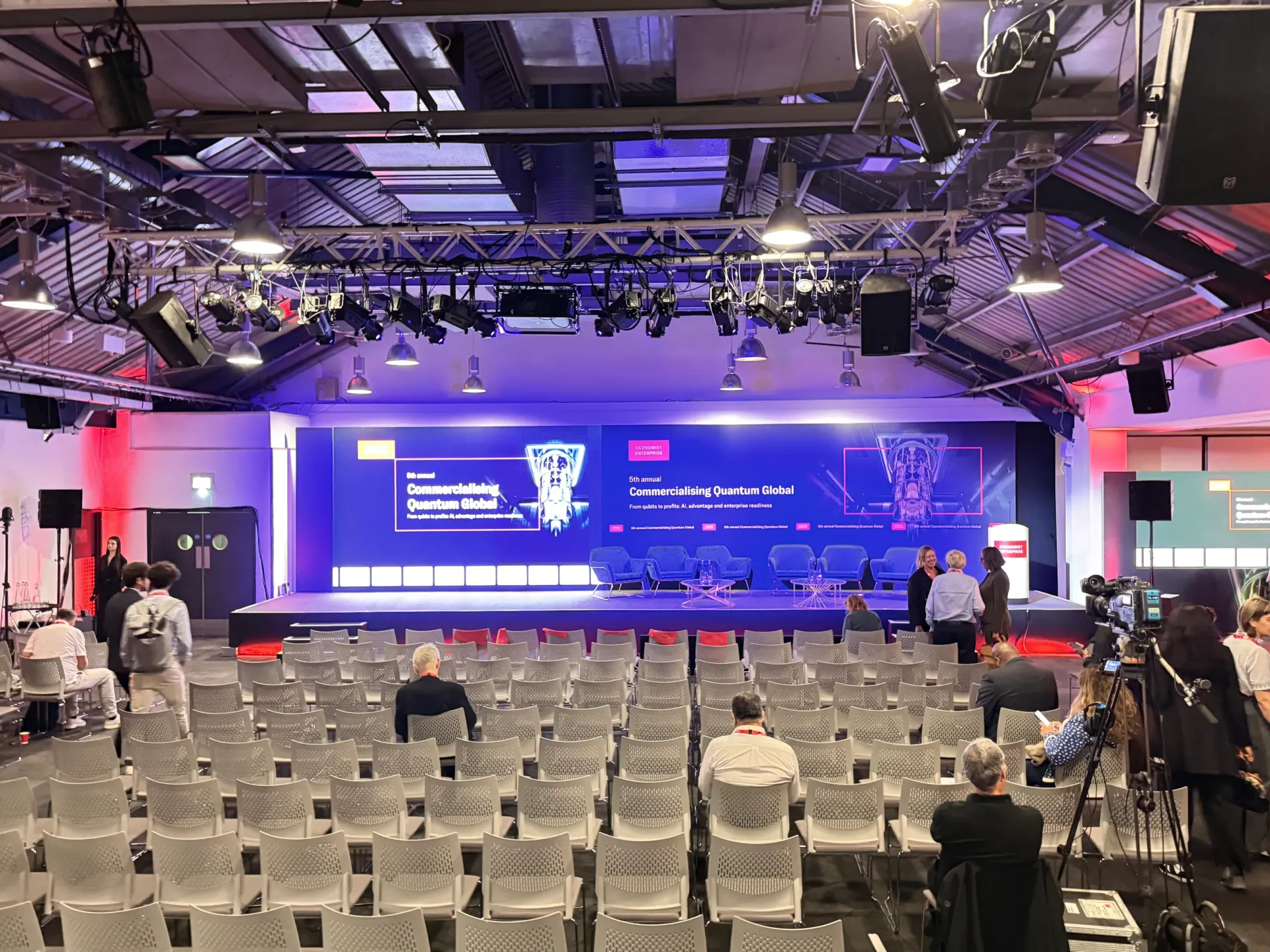
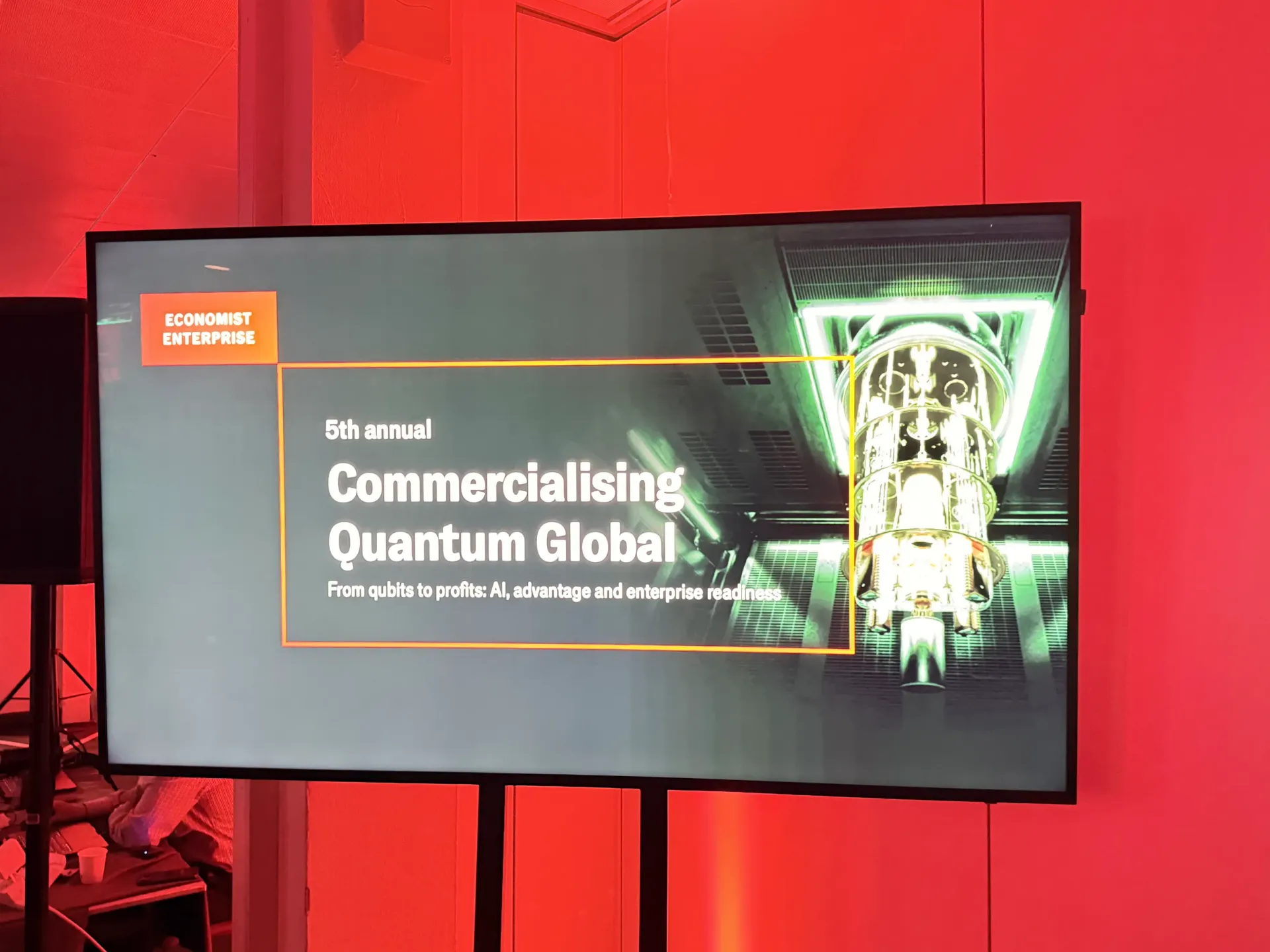
Economist Impact 제5회 Commercialising Quantum Global 2026 정상회의는 양자가 기업 워크플로로 선회했음을 확인했습니다. 5개월 만에 13억 달러가 모였고, SNDL 수집 위협 아래 양자내성 암호는 이사회 차원의 수탁자 사안이 되었으며, 양자 센싱은 이미 GPS 독립 항법용으로 출하되고 있습니다. HSBC의 Philip Intallura는 결함 허용 하드웨어를 기다리는 것이 자초한 실책이라는 단호한 지침을 전했습니다.