Sebastien Rousseau

CATEGORY

Infrastructure & cryptography

Post-quantum cryptography, cloud-native banking, platform engineering, and the engineering stack that runs the rail.

14 tags

Tags in this category

  • Post-quantum cryptography — 75 articles

    NIST PQ standards, harvest-now-decrypt-later threat, hybrid handshakes, and the migration of banking cryptography to lattice-based primitives.

  • Quantum computing — 25 articles

    Hardware progress, quantum algorithms, the timeline-to-threat, and where quantum compute crosses paths with banking workloads.

  • Cloud-native banking — 23 articles

    Kubernetes, service mesh, multi-region resilience, and the cloud-native architecture patterns banks are adopting under DORA.

  • Platform engineering — 15 articles

    Internal developer platforms, golden paths, paved roads — how banking technology orgs ship engineering productivity.

  • Sovereign cloud — 13 articles

    Data-residency, regulatory-region cloud, and the architectural trade-offs of running banking workloads inside sovereign boundaries.

  • Blockchain — 10 articles

    Distributed ledger technology in financial infrastructure — consensus, validators, smart-contract execution, and where the primitive shows up in banking.

  • Crypto-agility — 9 articles

    Inventorying cryptographic assets, defining a migration path, and shipping replaceable crypto boundaries in production code.

  • ML-KEM — 8 articles

    FIPS 203 — the standardised post-quantum key encapsulation mechanism (formerly CRYSTALS-Kyber).

  • Cryptography — 8 articles

    Applied cryptography in banking — hashes, signatures, KEMs, key management, and the cryptographic primitives that secure the rails.

  • Operational resilience — 8 articles

    Important business services, impact tolerances, severe-but- plausible scenarios, and the operational-resilience programme banks must run.

  • Cybersecurity — 8 articles

    Operational security in banking — threats, controls, incident response, and the regulatory expectations around resilience.

  • Harvest now, decrypt later — 6 articles

    The HNDL threat model — adversaries capturing encrypted traffic today to decrypt once quantum hardware is available.

  • ML-DSA — 5 articles

    FIPS 204 — the standardised post-quantum digital signature algorithm (formerly CRYSTALS-Dilithium).

  • Edge computing — 2 articles

    Edge workers, anti-fraud at the edge, CDN-as-platform — the role of edge compute in financial workloads.

APPLIED AI

Reading the Emerging-Technology Risk Horizon for Banks in 2026

Regulators have started scanning the horizon out loud. Reading the 2026 emerging-technology landscape for banks across three converging vectors — personalised AI intelligence, synthetic financial crime, and programmable finance — and a framework for turning weak signals into supervisory action before harm scales.

INFRASTRUCTURE & CRYPTOGRAPHY

The Agentic AI Index for Banks in 2026: Measuring Autonomy

Agentic AI is operational infrastructure in 2026. This index measures it the way banks measure capital and credit: a six-dimension readiness score across autonomy tiers, the control plane, regulatory evidence, unit economics, organisational readiness, and global regulatory alignment.

PAYMENTS & MONEY

Always-on-CIB: Cyber Recovery, Fallback-Rails und quantensichere Treasury

Corporate- und Investment-Banken behandeln Cyber Recovery, ISO-20022-Fallback-Rails über RTGS, Instant- und tokenisierte Netze sowie quantensichere Treasury-Kontrollen nun als ein einziges Always-on-Betriebsmodell — die Antwort auf Vorstandsniveau auf DORA Artikel 5 und 6, FHE-, QKD- und PQC-Primitive sowie ICT-Drittparteien-Konzentrationsrisiko.

PAYMENTS & MONEY

Der Post-Quantum Banking Resilience Index 2026: EO 14409, globale Fristen und treuhänderische Krypto-Agilität

Executive Order 14409, die harte ANSSI-Frist 2030 und DORA Artikel 5 haben die Post-Quantum-Kryptografie von einem langfristigen technischen Ziel zu einem aktiven regulatorischen Auftrag gemacht. Dieser Index überführt die Absicherung von Registern, Hochfrequenz-Hauptbüchern und SWIFT-Kanälen in ein vorstandstaugliches 0–5-Scorecard, das die Primitive ML-KEM, ML-DSA und SLH-DSA mit treuhänderischer Haftung und Bilanzrisiko verknüpft.

INFRASTRUCTURE & CRYPTOGRAPHY

Quantum Dawn für CIB: Von KyberLib zu einem quantenresilienten Zahlungs-Stack

BIS Quantum Dawn und die PQC-Roadmap der G7 vom Januar 2026 haben Post-Quantum-Kryptografie aus der Forschung auf die Vorstandsagenda gebracht. Dieser Beitrag erweitert KyberLib von einem Toolkit zu einem unternehmensweiten CIB-Übergangsprogramm — über hochvolumige Rails, Trade Finance, Custody und die Offenlegungen, die Aufsichtsbehörden inzwischen einfordern.

INFRASTRUCTURE & CRYPTOGRAPHY

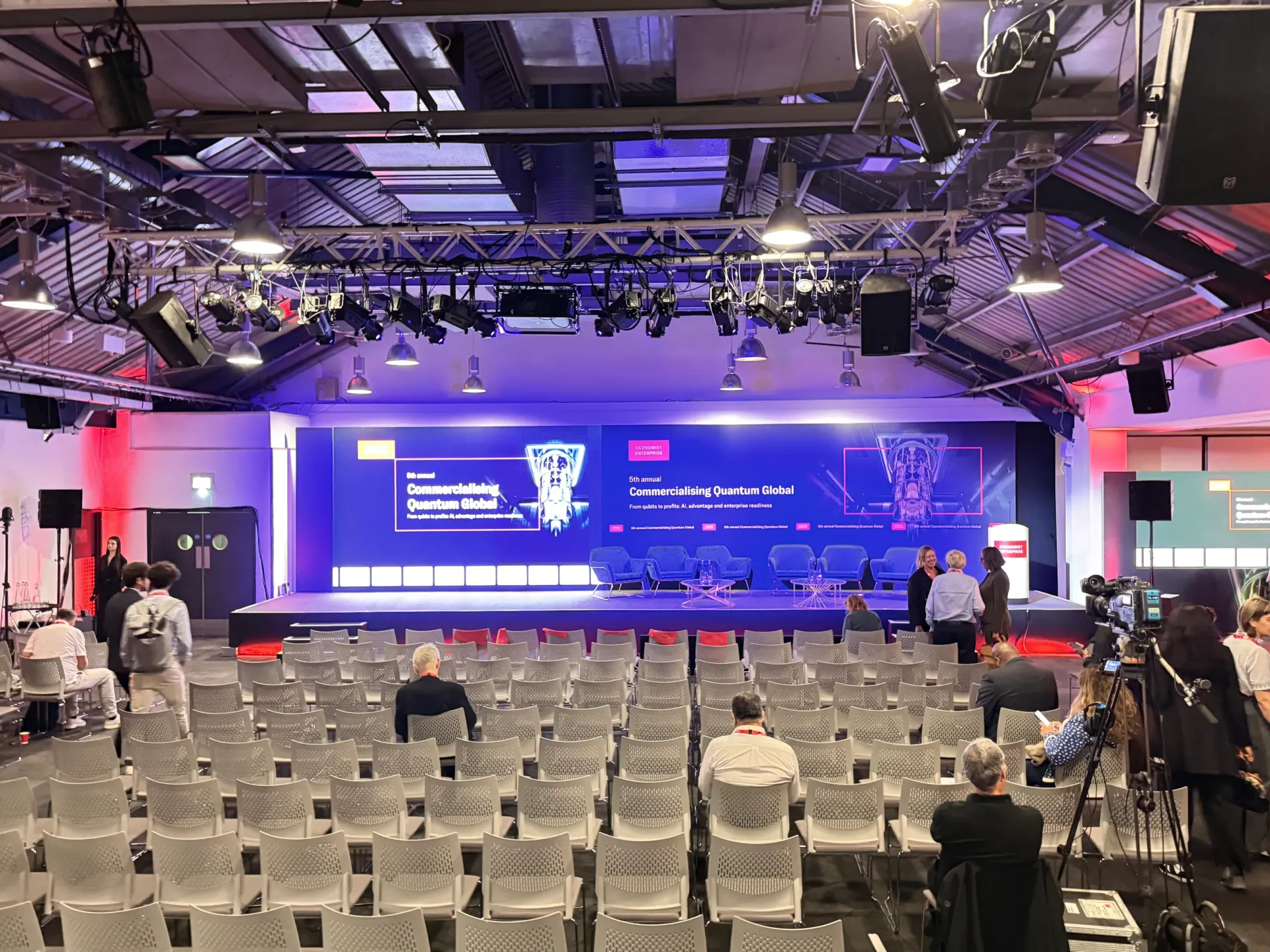
Von Qubits zu Profiten: Strategische Erkenntnisse vom Economist's 5th Annual Commercialising Quantum Global 2026 Summit

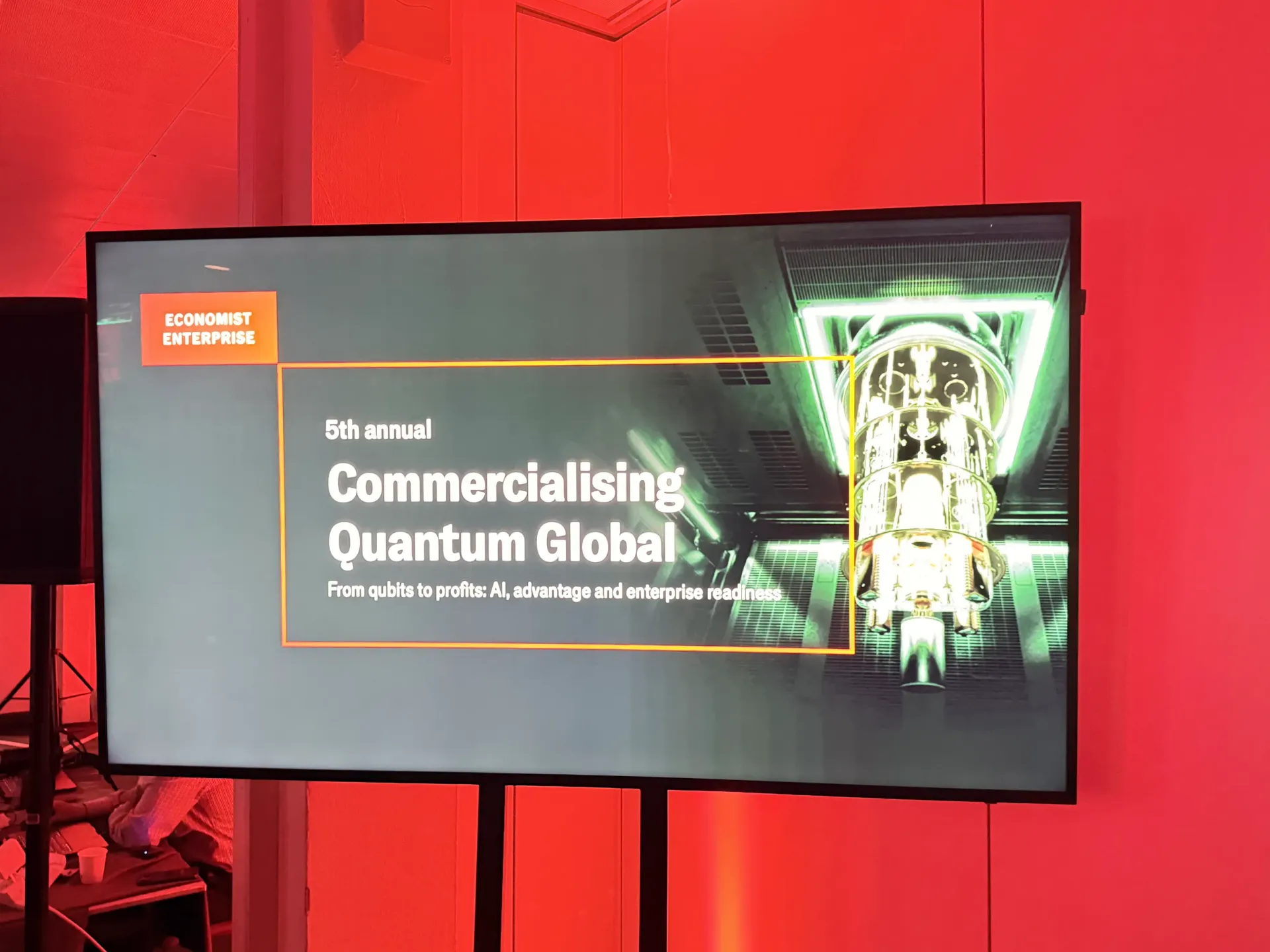
Der Economist Impact 5th Annual Commercialising Quantum Global 2026 Summit hat den Schwenk von Quantum hin zu Unternehmens-Workflows bestätigt: 1,3 Mrd. USD in fünf Monaten eingesammelt, Post-Quantum-Kryptografie ist unter SNDL-Harvesting eine Treuhandfrage auf Vorstandsebene, Quantum Sensing wird heute für GPS-unabhängige Navigation ausgeliefert, und HSBCs Philip Intallura hat die Direktive ausgesprochen, dass das Warten auf fehlertolerante Hardware ein vermeidbarer Fehler ist.

INFRASTRUCTURE & CRYPTOGRAPHY

KyberLib und die Post-Quanten-Migration der Banken 2026: Von Normen zu Code

KyberLib überführt die Post-Quanten-Migration der Banken vom Richtlinienpapier in inspizierbaren Rust — FIPS 203 ML-KEM-Schlüsselkapselung, hybride klassisch-plus-quantensichere Handshakes, no_std-Kompilierung für HSM, krypto-agile Abstraktionsgrenzen und der Governance-Nachweis nach DORA Artikel 5, den Vorstände jetzt benötigen.

APPLIED AI

CloudCDN: Eine quelloffene Blaupause für die KI-native Edge 2026

CloudCDN ist eine quelloffene Blaupause für die KI-native Edge — ein Zero-Trust-MCP-Gateway mit 42 Werkzeugen, atomares Durable-Objects-Rate-Limiting, WebAuthn-Passkeys, signierte URLs, SLSA Level 3 Provenance und 3.185 Tests bei 100 % Abdeckung, abgebildet auf DORA, BCBS 239 und Basel III.