Sebastien Rousseau

CATEGORY

Infrastructure & cryptography

Post-quantum cryptography, cloud-native banking, platform engineering, and the engineering stack that runs the rail.

14 tags

Tags in this category

  • Post-quantum cryptography — 75 articles

    NIST PQ standards, harvest-now-decrypt-later threat, hybrid handshakes, and the migration of banking cryptography to lattice-based primitives.

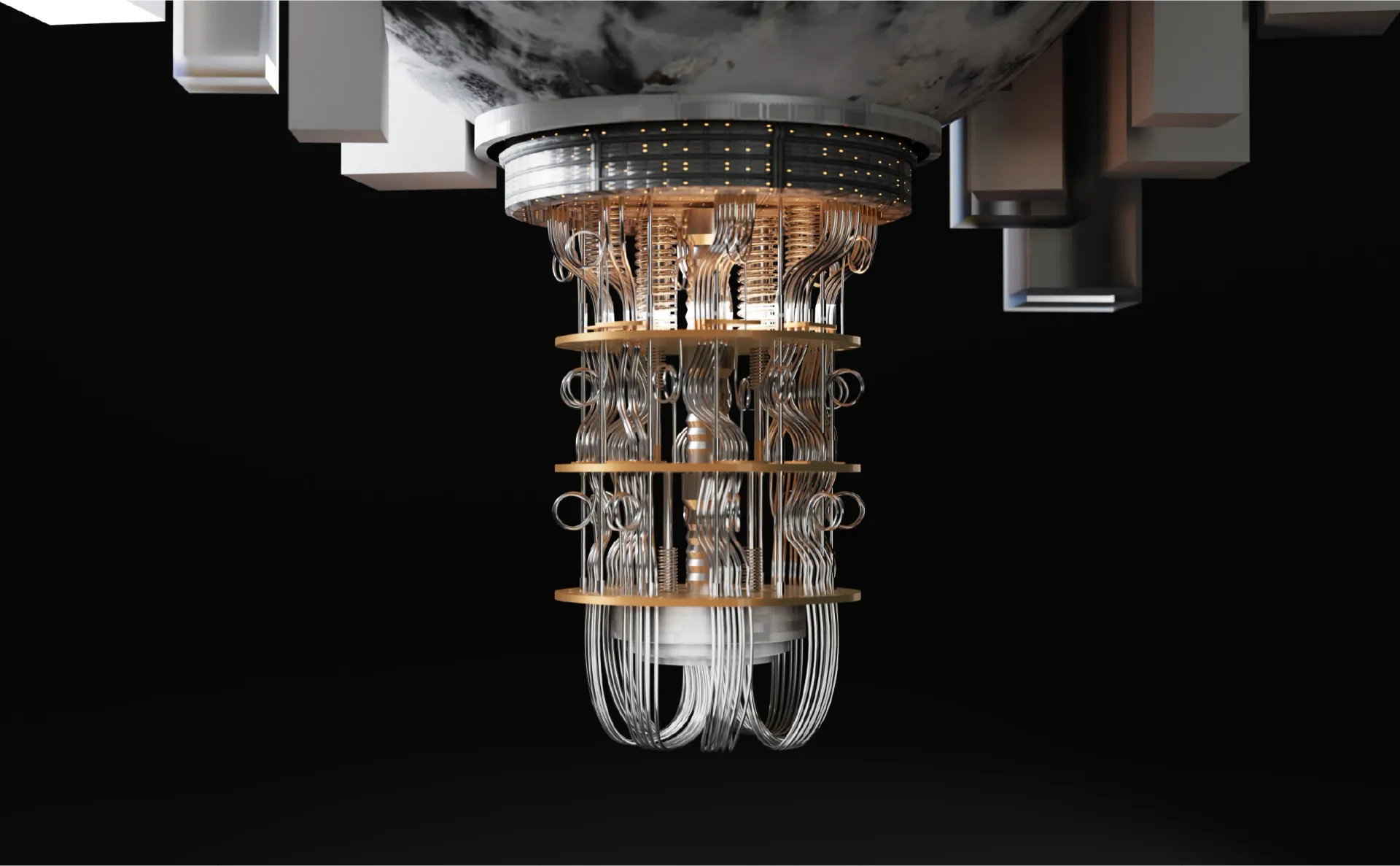
  • Quantum computing — 25 articles

    Hardware progress, quantum algorithms, the timeline-to-threat, and where quantum compute crosses paths with banking workloads.

  • Cloud-native banking — 23 articles

    Kubernetes, service mesh, multi-region resilience, and the cloud-native architecture patterns banks are adopting under DORA.

  • Platform engineering — 15 articles

    Internal developer platforms, golden paths, paved roads — how banking technology orgs ship engineering productivity.

  • Sovereign cloud — 13 articles

    Data-residency, regulatory-region cloud, and the architectural trade-offs of running banking workloads inside sovereign boundaries.

  • Blockchain — 10 articles

    Distributed ledger technology in financial infrastructure — consensus, validators, smart-contract execution, and where the primitive shows up in banking.

  • Crypto-agility — 9 articles

    Inventorying cryptographic assets, defining a migration path, and shipping replaceable crypto boundaries in production code.

  • ML-KEM — 8 articles

    FIPS 203 — the standardised post-quantum key encapsulation mechanism (formerly CRYSTALS-Kyber).

  • Cryptography — 8 articles

    Applied cryptography in banking — hashes, signatures, KEMs, key management, and the cryptographic primitives that secure the rails.

  • Operational resilience — 8 articles

    Important business services, impact tolerances, severe-but- plausible scenarios, and the operational-resilience programme banks must run.

  • Cybersecurity — 8 articles

    Operational security in banking — threats, controls, incident response, and the regulatory expectations around resilience.

  • Harvest now, decrypt later — 6 articles

    The HNDL threat model — adversaries capturing encrypted traffic today to decrypt once quantum hardware is available.

  • ML-DSA — 5 articles

    FIPS 204 — the standardised post-quantum digital signature algorithm (formerly CRYSTALS-Dilithium).

  • Edge computing — 2 articles

    Edge workers, anti-fraud at the edge, CDN-as-platform — the role of edge compute in financial workloads.

APPLIED AI

Reading the Emerging-Technology Risk Horizon for Banks in 2026

Regulators have started scanning the horizon out loud. Reading the 2026 emerging-technology landscape for banks across three converging vectors — personalised AI intelligence, synthetic financial crime, and programmable finance — and a framework for turning weak signals into supervisory action before harm scales.

INFRASTRUCTURE & CRYPTOGRAPHY

The Agentic AI Index for Banks in 2026: Measuring Autonomy

Agentic AI is operational infrastructure in 2026. This index measures it the way banks measure capital and credit: a six-dimension readiness score across autonomy tiers, the control plane, regulatory evidence, unit economics, organisational readiness, and global regulatory alignment.

PAYMENTS & MONEY

Always-On CIB: kybernetická obnova, záložní koleje a kvantově bezpečná treasury

Korporátní a investiční banky dnes přistupují ke kybernetické obnově, k záložním kolejím ISO 20022 napříč RTGS, instantními i tokenizovanými sítěmi a ke kvantově bezpečným treasury kontrolám jako k jednomu provoznímu modelu always-on — odpověď na úrovni představenstva na články 5 a 6 DORA, na primitiva FHE, QKD a PQC i na koncentrační riziko ICT třetích stran.

PAYMENTS & MONEY

Index postkvantové odolnosti bankovnictví v roce 2026: EO 14409, globální termíny a svěřenská kryptografická agilita

Executive Order 14409, neúprosný termín ANSSI pro rok 2030 a článek 5 DORA posunuly postkvantovou kryptografii z dlouhodobého technického cíle na aktivní regulatorní mandát. Tento index proměňuje zabezpečení registrů, vysokofrekvenčních účetních knih a kanálů SWIFT v hodnoticí kartu 0–5 pro představenstvo, která sladí primitiva ML-KEM, ML-DSA a SLH-DSA se svěřenskou odpovědností a rizikem rozvahy.

INFRASTRUCTURE & CRYPTOGRAPHY

Kvantové svítání pro CIB: od KyberLib ke kvantově odolnému platebnímu stacku

BIS Quantum Dawn a PQC roadmapa G7 z ledna 2026 přesunuly postkvantovou kryptografii z výzkumu na agendu představenstev. Tento text rozšiřuje KyberLib z nástroje na podnikový transformační program CIB — pokrývá vysokohodnotové platební rails, trade finance, custody a vykazování, které dnes regulátoři vyžadují.

INFRASTRUCTURE & CRYPTOGRAPHY

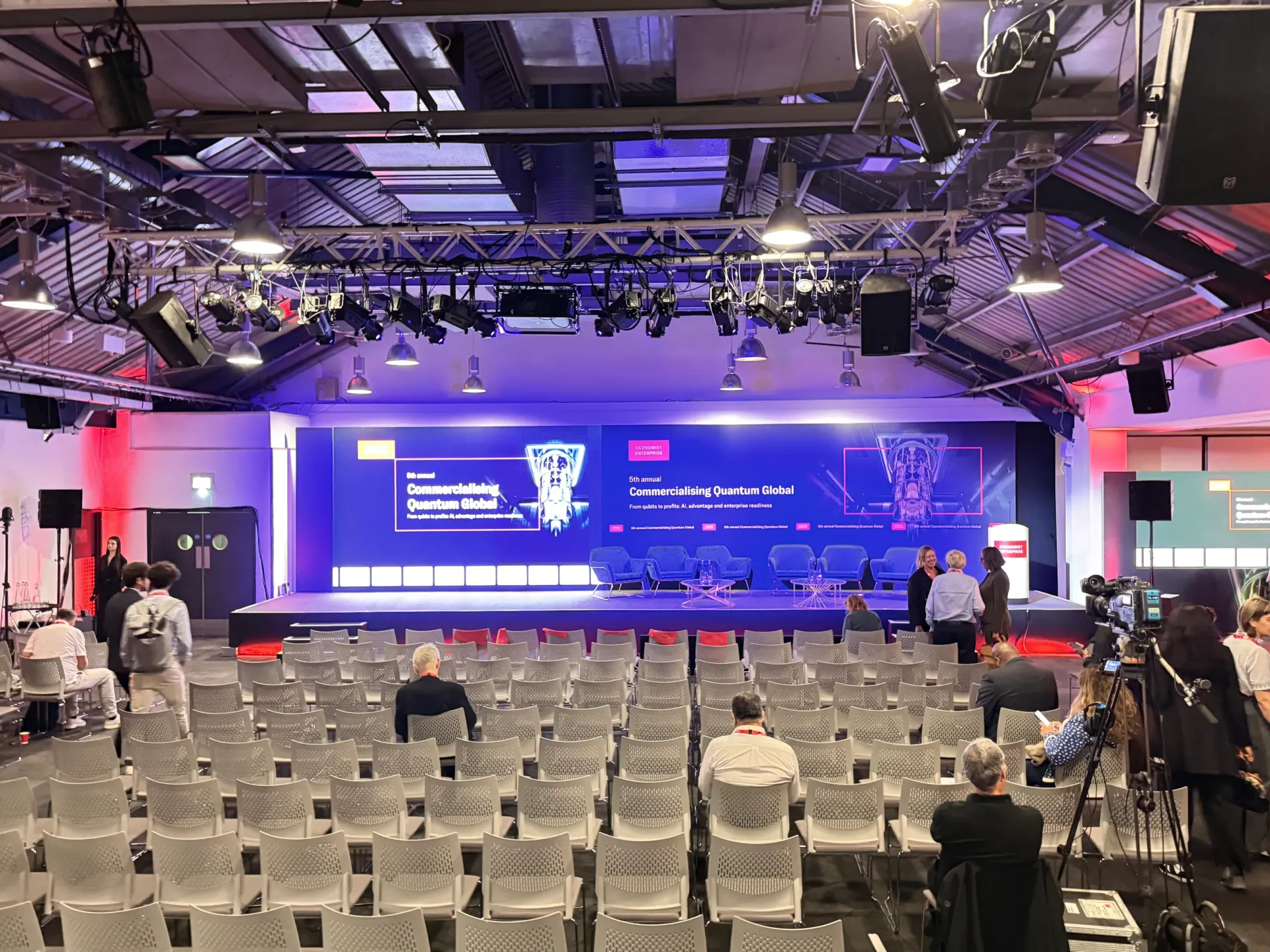
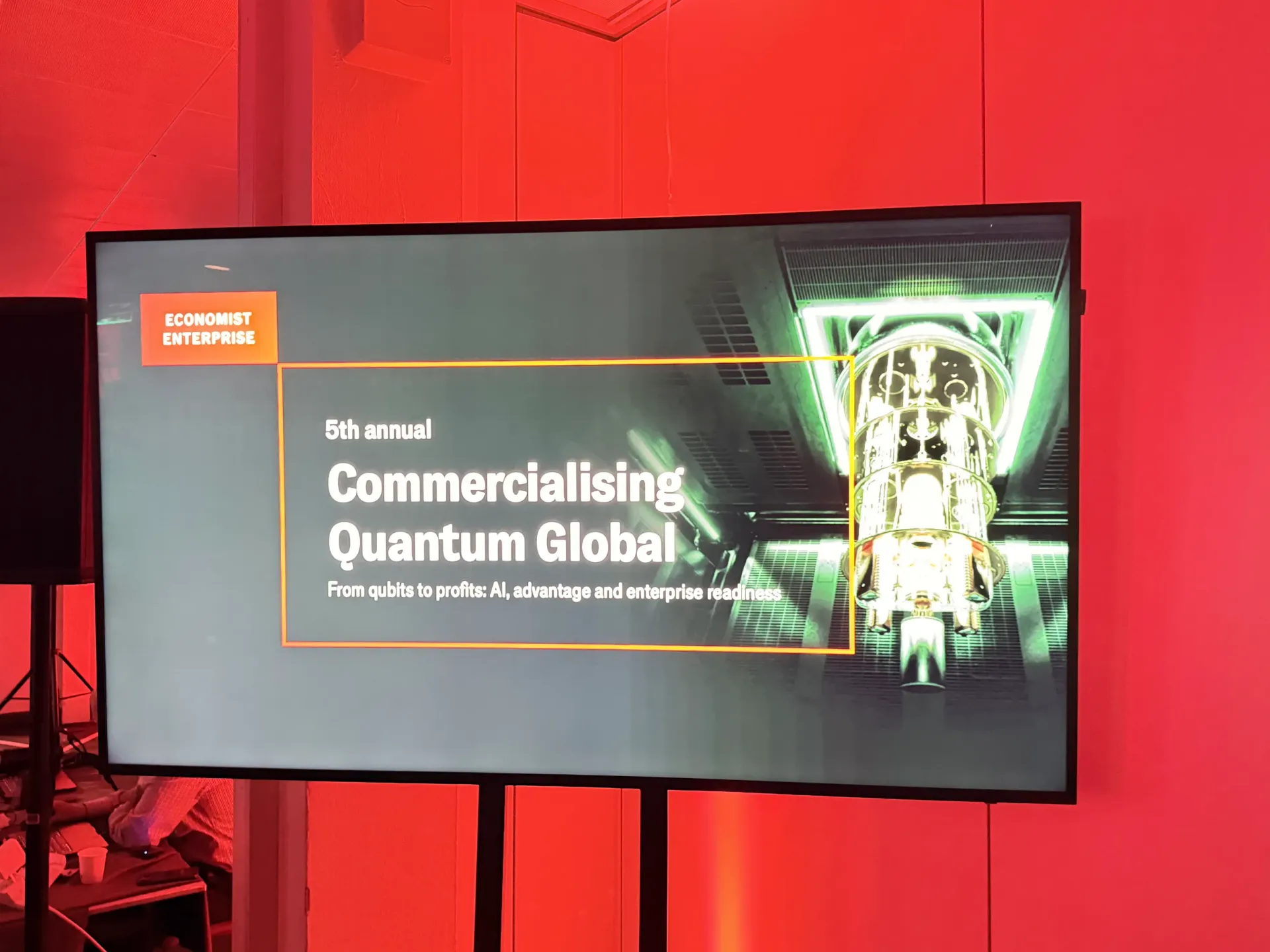
Od qubitů k zisku: strategické závěry z 5. ročníku summitu Economist Commercialising Quantum Global 2026

Summit Economist Impact 5th Annual Commercialising Quantum Global 2026 potvrdil obrat kvantových technologií k firemním workflow: 1,3 mld. USD získaných za pět měsíců, postkvantová kryptografie je fiduciární otázka na úrovni představenstva pod tlakem SNDL sběru, kvantové snímání se dnes dodává pro navigaci nezávislou na GPS a Philip Intallura z HSBC oznámil direktivu, že čekat na hardware odolný proti chybám je nevynucenou chybou.

INFRASTRUCTURE & CRYPTOGRAPHY

KyberLib a postkvantová migrace bank 2026: od standardů ke kódu

KyberLib mění postkvantovou migraci bank z politického dokumentu ve zkontrolovatelný Rust — zapouzdření klíčů ML-KEM dle FIPS 203, hybridní klasicko-kvantové handshaky, kompilace no_std pro HSM, krypto-agilní abstrakční hranice a důkazy pro governance podle článku 5 DORA, které představenstva nyní potřebují.

APPLIED AI

CloudCDN: Open source plán pro AI-nativní edge v roce 2026

CloudCDN je open source blueprint pro AI-nativní edge — zero-trust MCP brána se 42 nástroji, atomické omezování rychlosti přes Durable Objects, WebAuthn passkeys, podepsané URL, provenience SLSA Level 3 a 3 185 testů při 100% pokrytí, mapováno na DORA, BCBS 239 a Basel III.