Sebastien Rousseau

CATEGORY

Infrastruttura e crittografia

Post-quantum cryptography, cloud-native banking, platform engineering, and the engineering stack that runs the rail.

14 tags

Tags in this category

  • Post-quantum cryptography — 77 articles

    NIST PQ standards, harvest-now-decrypt-later threat, hybrid handshakes, and the migration of banking cryptography to lattice-based primitives.

  • Quantum computing — 25 articles

    Hardware progress, quantum algorithms, the timeline-to-threat, and where quantum compute crosses paths with banking workloads.

  • Cloud-native banking — 23 articles

    Kubernetes, service mesh, multi-region resilience, and the cloud-native architecture patterns banks are adopting under DORA.

  • Platform engineering — 15 articles

    Internal developer platforms, golden paths, paved roads — how banking technology orgs ship engineering productivity.

  • Sovereign cloud — 13 articles

    Data-residency, regulatory-region cloud, and the architectural trade-offs of running banking workloads inside sovereign boundaries.

  • Blockchain — 10 articles

    Distributed ledger technology in financial infrastructure — consensus, validators, smart-contract execution, and where the primitive shows up in banking.

  • Crypto-agility — 10 articles

    Inventorying cryptographic assets, defining a migration path, and shipping replaceable crypto boundaries in production code.

  • Operational resilience — 10 articles

    Important business services, impact tolerances, severe-but- plausible scenarios, and the operational-resilience programme banks must run.

  • Cryptography — 9 articles

    Applied cryptography in banking — hashes, signatures, KEMs, key management, and the cryptographic primitives that secure the rails.

  • ML-KEM — 8 articles

    FIPS 203 — the standardised post-quantum key encapsulation mechanism (formerly CRYSTALS-Kyber).

  • Cybersecurity — 8 articles

    Operational security in banking — threats, controls, incident response, and the regulatory expectations around resilience.

  • Harvest now, decrypt later — 6 articles

    The HNDL threat model — adversaries capturing encrypted traffic today to decrypt once quantum hardware is available.

  • ML-DSA — 5 articles

    FIPS 204 — the standardised post-quantum digital signature algorithm (formerly CRYSTALS-Dilithium).

  • Edge computing — 2 articles

    Edge workers, anti-fraud at the edge, CDN-as-platform — the role of edge compute in financial workloads.

APPLIED AI

Leggere l'orizzonte dei rischi tecnologici emergenti per le banche nel 2026

Regulators have started scanning the horizon out loud. Reading the 2026 emerging-technology landscape for banks across three converging vectors — personalised AI intelligence, synthetic financial crime, and programmable finance — and a framework for turning weak signals into supervisory action before harm scales.

PAYMENTS & MONEY

CIB Always-On: cyber recovery, binari di fallback e tesoreria quantum-safe

Le banche corporate e d'investimento trattano oggi cyber recovery, binari di fallback ISO 20022 su RTGS, reti instant e tokenizzate e controlli di tesoreria quantum-safe come un unico modello operativo always-on — la risposta a livello di consiglio agli Articoli 5 e 6 di DORA, alle primitive FHE, QKD e PQC e al rischio di concentrazione ICT delle terze parti.

PAYMENTS & MONEY

Il Post-Quantum Banking Resilience Index nel 2026: EO 14409, scadenze globali e agilità crittografica fiduciaria

L'Executive Order 14409, la scadenza perentoria ANSSI del 2030 e l'Articolo 5 di DORA hanno spostato la crittografia post-quantistica da obiettivo tecnico a lungo termine a mandato regolamentare attivo. Questo indice converte la messa in sicurezza di registri, ledger ad alta frequenza e canali SWIFT in una scorecard 0–5 pronta per il consiglio, che allinea le primitive ML-KEM, ML-DSA e SLH-DSA alla responsabilità fiduciaria e al rischio di bilancio.

INFRASTRUCTURE & CRYPTOGRAPHY

Alba quantistica per il CIB: da KyberLib a uno stack di pagamenti resistente al quantum

BIS Quantum Dawn e la roadmap PQC del G7 di gennaio 2026 hanno spostato la crittografia post-quantistica dalla ricerca all'agenda del consiglio. Questo pezzo estende KyberLib da toolkit a programma aziendale di transizione CIB — coprendo le rotaie ad alto valore, il trade finance, la custodia e le disclosure che i regolatori ora richiedono.

INFRASTRUCTURE & CRYPTOGRAPHY

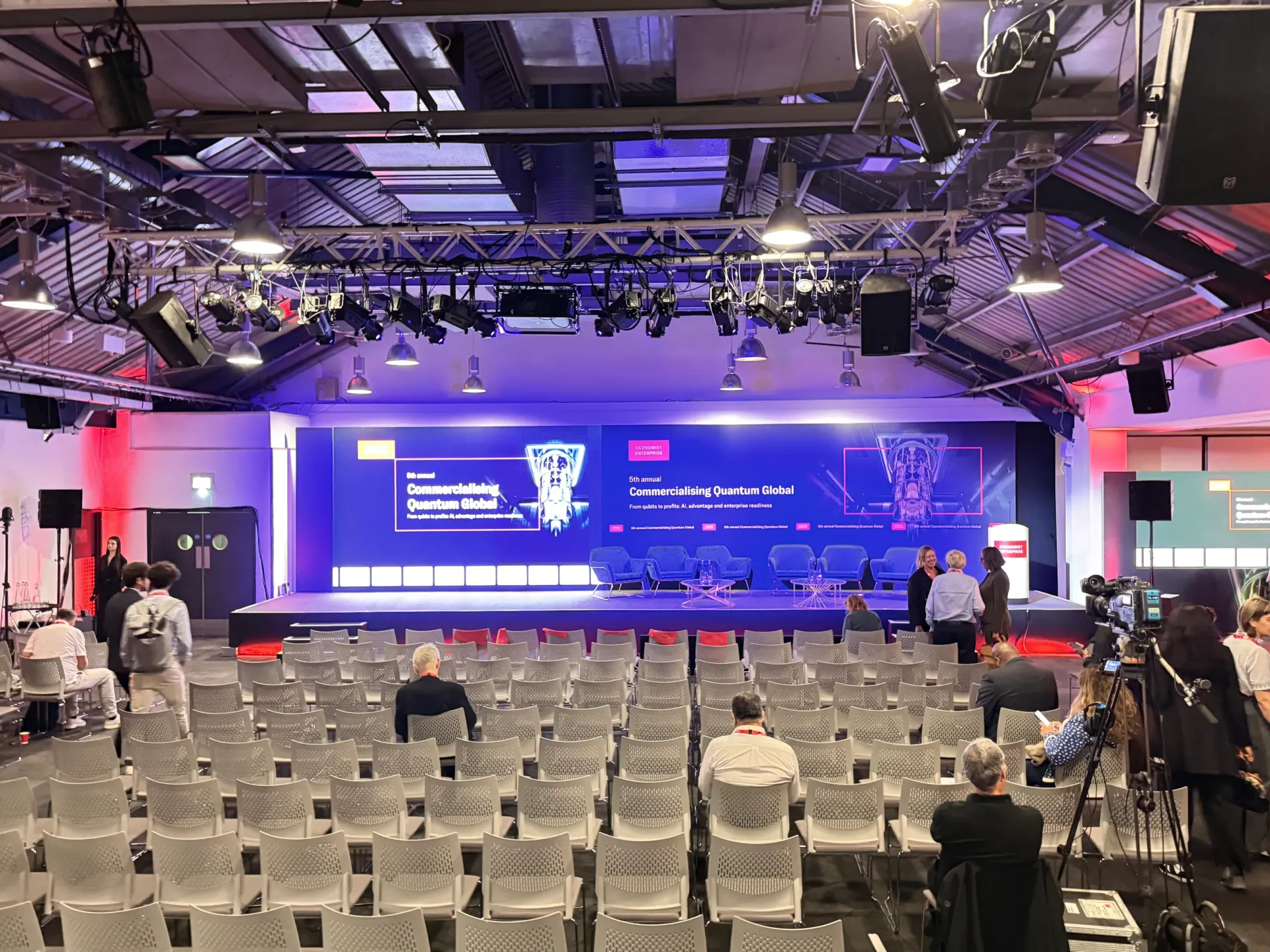
Dai qubit ai profitti: conclusioni strategiche dal 5° summit annuale Commercialising Quantum Global 2026 dell'Economist

Il summit Economist Impact 5th Annual Commercialising Quantum Global 2026 ha confermato lo spostamento del quantum verso i flussi di lavoro aziendali: 1,3 miliardi di dollari raccolti in cinque mesi, la crittografia post-quantistica è ormai una questione fiduciaria a livello di consiglio sotto la pressione dell'harvesting SNDL, il quantum sensing è già in spedizione per la navigazione GPS-independent e Philip Intallura di HSBC ha trasmesso la direttiva: attendere l'hardware fault-tolerant è un errore non forzato.